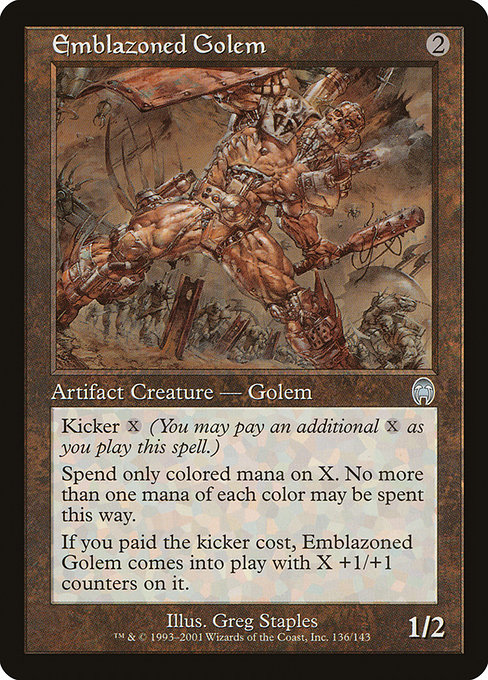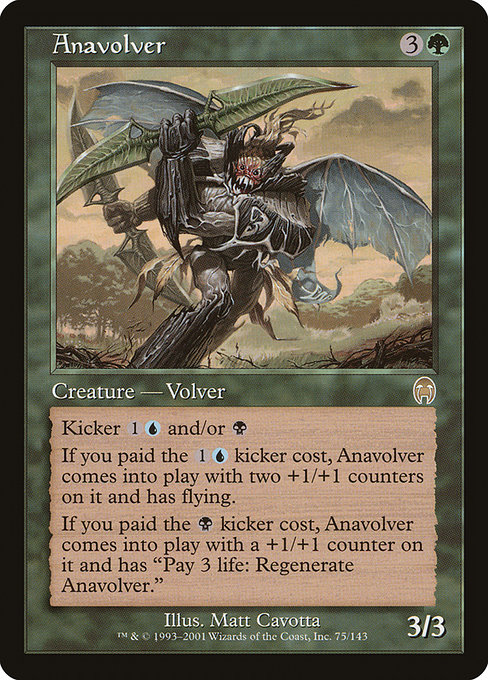
Creature — Volver
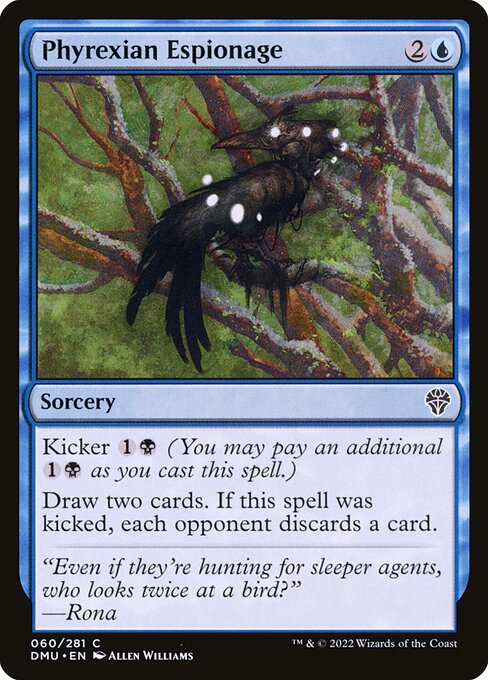
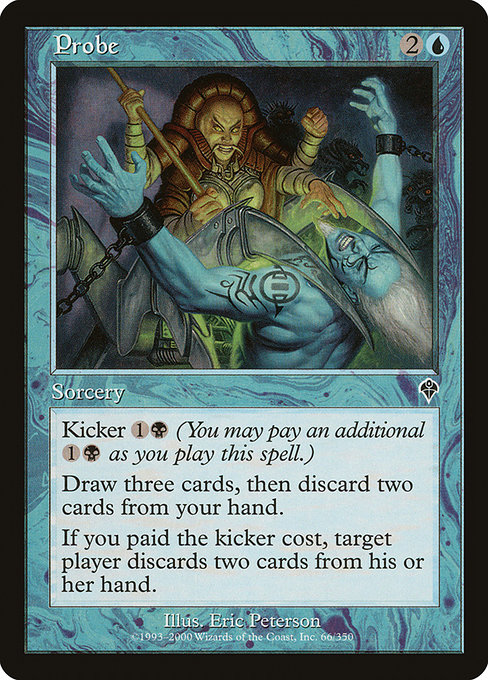
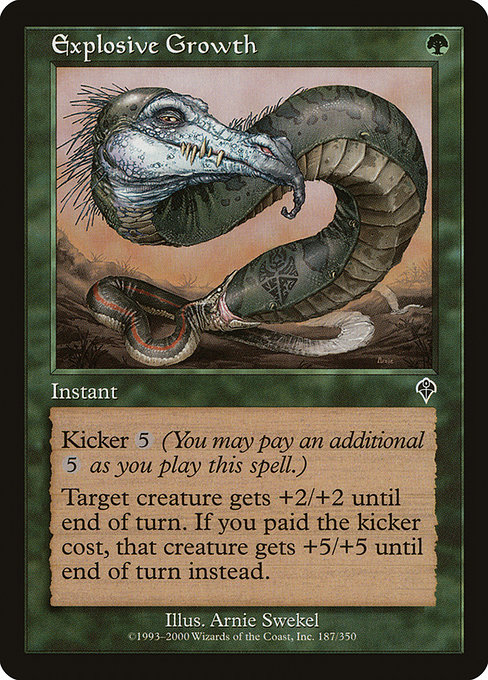
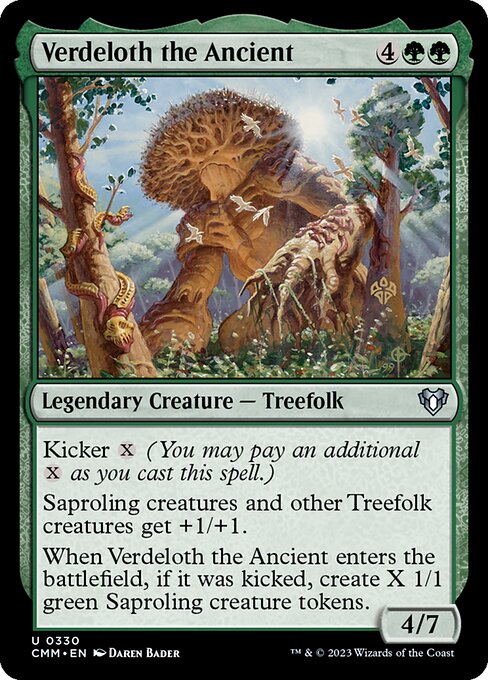
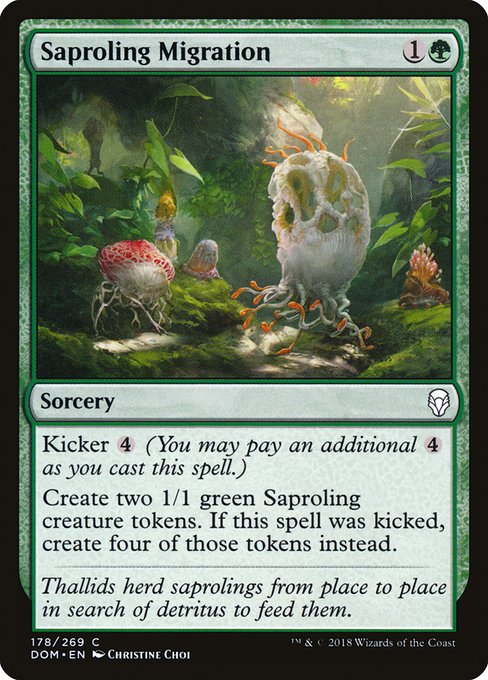
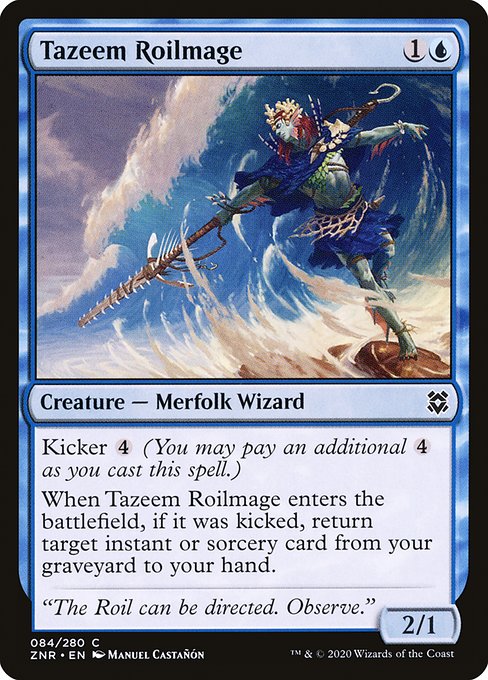
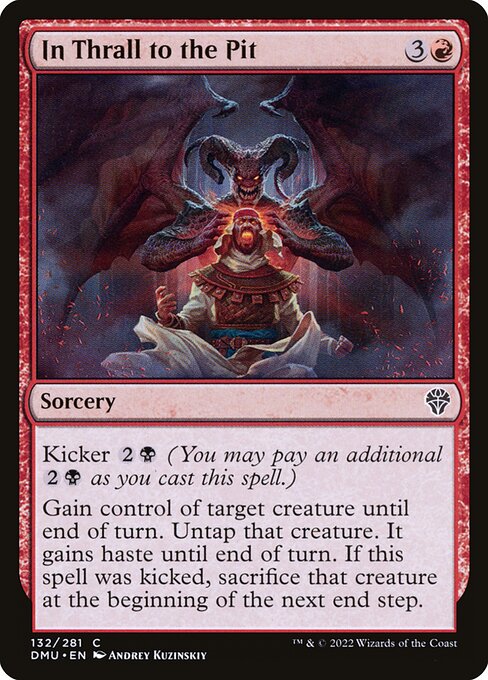
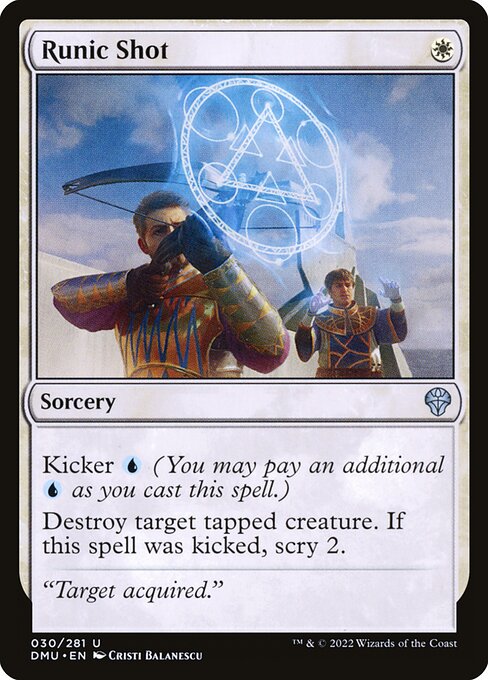
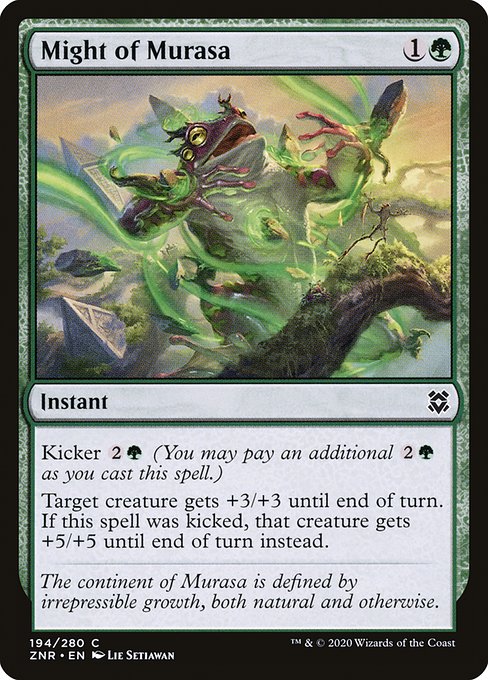
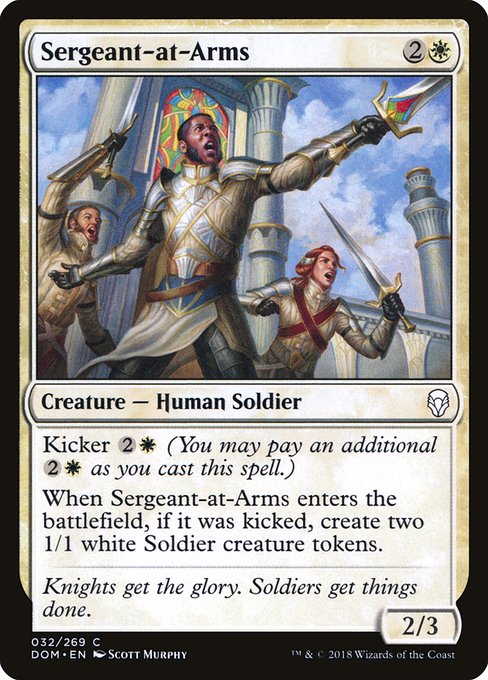
KickerKicker is a static ability that functions while the spell with kicker is on the stack. “Kicker [cost]” means “You may pay an additional [cost] as you cast this spell.” Paying a spell’s kicker cost(s) follows the rules for paying additional costs in rules 601.2b and 601.2f–h.
The phrase “Kicker [cost 1] and/or [cost 2]” means the same thing as “Kicker [cost 1], kicker [cost 2].”
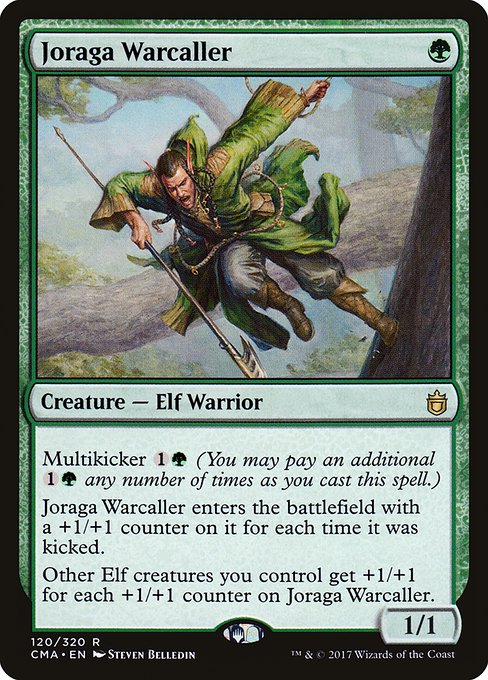
Multikicker is a variant of the kicker ability. “Multikicker [cost]” means “You may pay an additional [cost] any number of times as you cast this spell.” A multikicker cost is a kicker cost.
If a spell’s controller declares the intention to pay any of that spell’s kicker costs, that spell has been “kicked.” If a spell has two kicker costs or has multikicker, it may be kicked multiple times. See rule 601.2b.
Objects with kicker or multikicker have additional abilities that specify what happens if they were kicked. These abilities are linked to the kicker or multikicker abilities printed on that object: they can refer only to those specific kicker or multikicker abilities. See rule 607, “Linked Abilities.”
Objects with more than one kicker cost may also have abilities that each correspond to a specific kicker cost. Those abilities contain the phrases “if it was kicked with its [A] kicker” and “if it was kicked with its [B] kicker,” where A and B are the first and second kicker costs listed on the card, respectively. Each of those abilities is linked to the appropriate kicker ability.
If part of a spell’s ability has its effect only if that spell was kicked, and that part of the ability includes any targets, the spell’s controller chooses those targets only if that spell was kicked. Otherwise, the spell is cast as if it did not have those targets. See rule 601.2c.
Sticker kicker is a keyword ability that represents a kicker ability and an ability that imposes an additional cost if the spell is kicked. “Sticker kicker [cost]” means “Kicker [cost]” and “As an additional cost to cast this spell, if it’s kicked, you get a ticket counter and you may put a sticker on this spell.” (CR 702.33) and/or (You may pay an additional and/or as you castTo cast a spell is to take it from the zone it’s in (usually the hand), put it on the stack, and pay its costs, so that it will eventually resolve and have its effect. A player may cast a spell if they have priority. See rule 601, “Casting Spells.”
To cast a card is to cast it as a spell. (CR 701.5) this spell.)
If this creature was kicked with its kickerKicker is a static ability that functions while the spell with kicker is on the stack. “Kicker [cost]” means “You may pay an additional [cost] as you cast this spell.” Paying a spell’s kicker cost(s) follows the rules for paying additional costs in rules 601.2b and 601.2f–h.
The phrase “Kicker [cost 1] and/or [cost 2]” means the same thing as “Kicker [cost 1], kicker [cost 2].”
Multikicker is a variant of the kicker ability. “Multikicker [cost]” means “You may pay an additional [cost] any number of times as you cast this spell.” A multikicker cost is a kicker cost.
If a spell’s controller declares the intention to pay any of that spell’s kicker costs, that spell has been “kicked.” If a spell has two kicker costs or has multikicker, it may be kicked multiple times. See rule 601.2b.
Objects with kicker or multikicker have additional abilities that specify what happens if they were kicked. These abilities are linked to the kicker or multikicker abilities printed on that object: they can refer only to those specific kicker or multikicker abilities. See rule 607, “Linked Abilities.”
Objects with more than one kicker cost may also have abilities that each correspond to a specific kicker cost. Those abilities contain the phrases “if it was kicked with its [A] kicker” and “if it was kicked with its [B] kicker,” where A and B are the first and second kicker costs listed on the card, respectively. Each of those abilities is linked to the appropriate kicker ability.
If part of a spell’s ability has its effect only if that spell was kicked, and that part of the ability includes any targets, the spell’s controller chooses those targets only if that spell was kicked. Otherwise, the spell is cast as if it did not have those targets. See rule 601.2c.
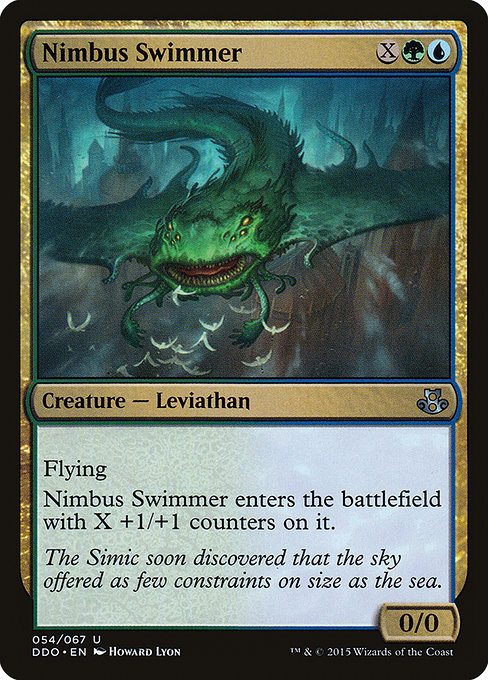
Sticker kicker is a keyword ability that represents a kicker ability and an ability that imposes an additional cost if the spell is kicked. “Sticker kicker [cost]” means “Kicker [cost]” and “As an additional cost to cast this spell, if it’s kicked, you get a ticket counter and you may put a sticker on this spell.” (CR 702.33), it enters with two +1/+1 countersTo counter a spell or ability is to cancel it: remove it from the stack without resolving it. A counter on an object or player is instead a marker that changes characteristics or interacts with rules or abilities; for example, a +1/+1 counter modifies a creature’s power and toughness. (CR 701.6; 122.1) on it and with flyingFlying is an evasion ability.
A creature with flying can’t be blocked except by creatures with flying and/or reach. A creature with flying can block a creature with or without flying. (See rule 509, “Declare Blockers Step,” and rule 702.17, “Reach.”)
Multiple instances of flying on the same creature are redundant. (CR 702.9).
If this creature was kicked with its kickerKicker is a static ability that functions while the spell with kicker is on the stack. “Kicker [cost]” means “You may pay an additional [cost] as you cast this spell.” Paying a spell’s kicker cost(s) follows the rules for paying additional costs in rules 601.2b and 601.2f–h.
The phrase “Kicker [cost 1] and/or [cost 2]” means the same thing as “Kicker [cost 1], kicker [cost 2].”
Multikicker is a variant of the kicker ability. “Multikicker [cost]” means “You may pay an additional [cost] any number of times as you cast this spell.” A multikicker cost is a kicker cost.
If a spell’s controller declares the intention to pay any of that spell’s kicker costs, that spell has been “kicked.” If a spell has two kicker costs or has multikicker, it may be kicked multiple times. See rule 601.2b.
Objects with kicker or multikicker have additional abilities that specify what happens if they were kicked. These abilities are linked to the kicker or multikicker abilities printed on that object: they can refer only to those specific kicker or multikicker abilities. See rule 607, “Linked Abilities.”
Objects with more than one kicker cost may also have abilities that each correspond to a specific kicker cost. Those abilities contain the phrases “if it was kicked with its [A] kicker” and “if it was kicked with its [B] kicker,” where A and B are the first and second kicker costs listed on the card, respectively. Each of those abilities is linked to the appropriate kicker ability.
If part of a spell’s ability has its effect only if that spell was kicked, and that part of the ability includes any targets, the spell’s controller chooses those targets only if that spell was kicked. Otherwise, the spell is cast as if it did not have those targets. See rule 601.2c.
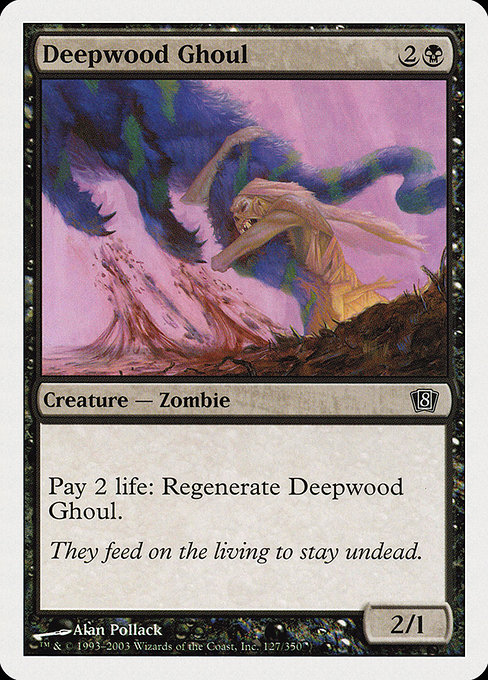
Sticker kicker is a keyword ability that represents a kicker ability and an ability that imposes an additional cost if the spell is kicked. “Sticker kicker [cost]” means “Kicker [cost]” and “As an additional cost to cast this spell, if it’s kicked, you get a ticket counter and you may put a sticker on this spell.” (CR 702.33), it enters with a +1/+1 counterTo counter a spell or ability is to cancel it: remove it from the stack without resolving it. A counter on an object or player is instead a marker that changes characteristics or interacts with rules or abilities; for example, a +1/+1 counter modifies a creature’s power and toughness. (CR 701.6; 122.1) on it and with "Pay 3 life: RegenerateIf the effect of a resolving spell or ability regenerates a permanent, it creates a replacement effect that protects the permanent the next time it would be destroyed this turn. In this case, “Regenerate [permanent]” means “The next time [permanent] would be destroyed this turn, instead remove all damage marked on it and its controller taps it. If it’s an attacking or blocking creature, remove it from combat.”
If the effect of a static ability regenerates a permanent, it replaces destruction with an alternate effect each time that permanent would be destroyed. In this case, “Regenerate [permanent]” means “Instead remove all damage marked on [permanent] and its controller taps it. If it’s an attacking or blocking creature, remove it from combat.”
Neither activating an ability that creates a regeneration shield nor casting a spell that creates a regeneration shield is the same as regenerating a permanent. Effects that say that a permanent can’t be regenerated don’t preclude such abilities from being activated or such spells from being cast; rather, they cause regeneration shields to not be applied. (CR 701.19) this creature."
$0.36
Commander: LegalModern: Not legal
Save this card
Log in to save cards to your lists.
Start a deck with this cardTags and classifications
Card attributes are distinct from extracted ability facts and inferred themes. AI themes and predicted tags are suggestions, not rules text.
Ability tags
Mana costs
Creature kinds
Color identity
Keyword tags
Mana value
Timing tags
Type tags
Predicted tags are currently unavailable.