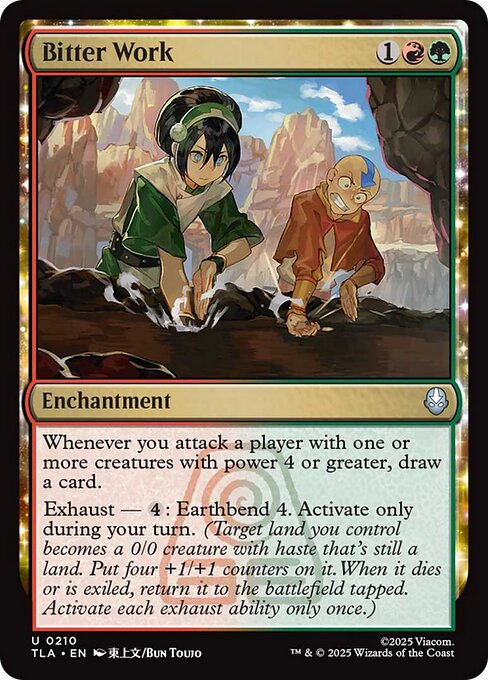
Enchantment
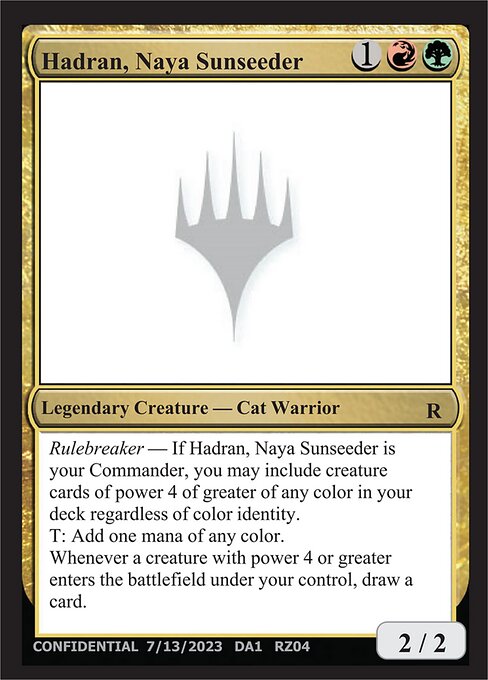
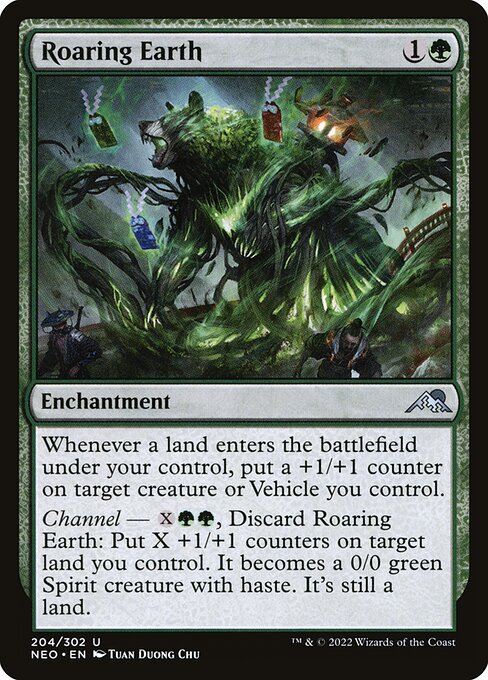
Whenever you attack a player with one or more creatures with power 4 or greater, draw a card.
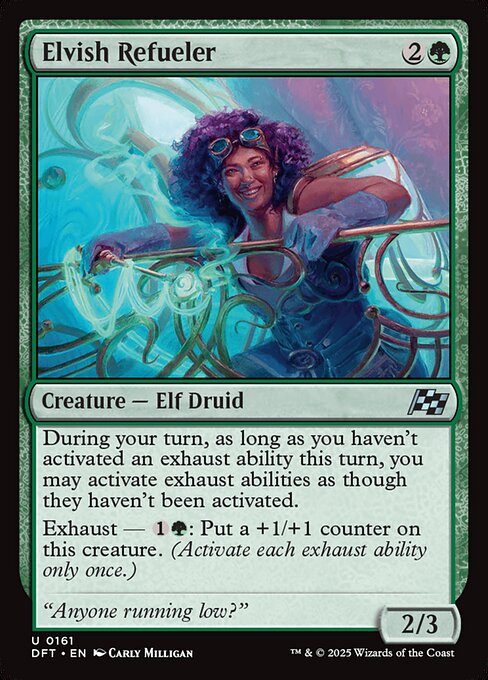
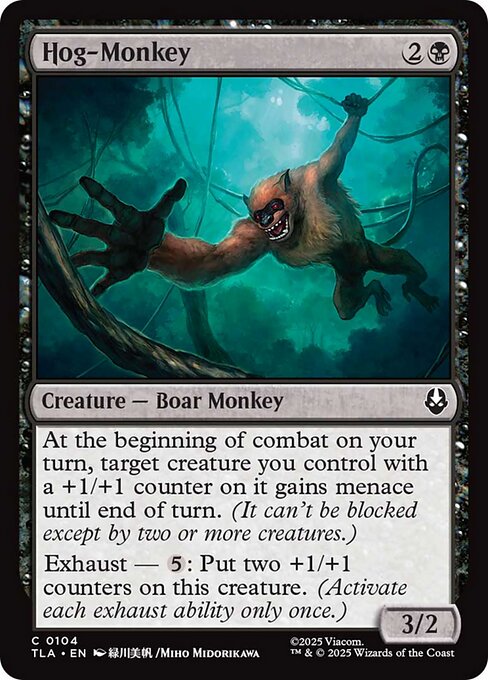
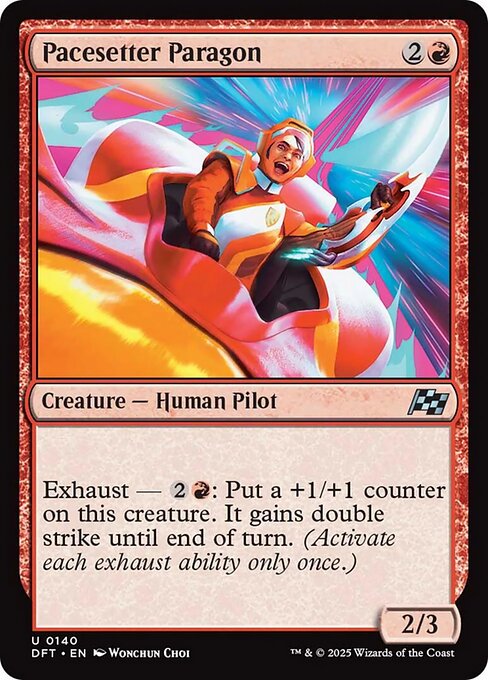
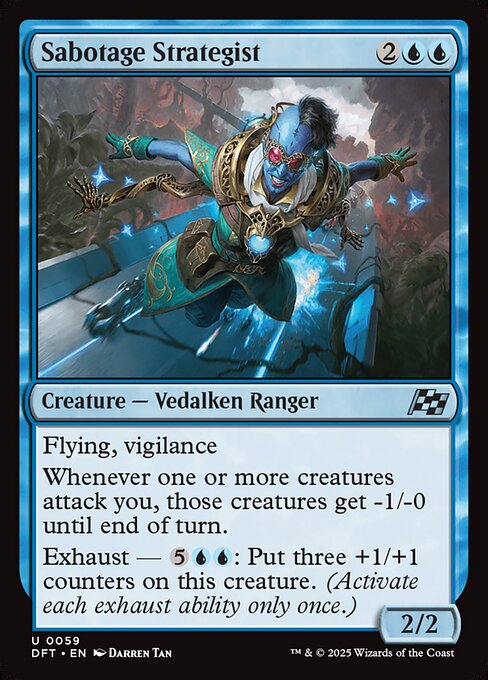
ExhaustExhaust is a keyword that adds additional rules to the activated ability that follows it. “Exhaust — [Cost]: [Effect]” means “[Cost]: [Effect]. Activate only once.”
An effect may allow you to take an action as long as you haven’t activated an exhaust ability this turn. Such an effect allows that action only if you haven’t begun to activate an exhaust ability this turn. (CR 702.177) — : Earthbend“Earthbend N” means “Target land you control becomes a 0/0 land creature with haste in addition to its other types. Put N +1/+1 counters on it. When that land dies or is put into exile, return it to the battlefield tapped under your control.”
An ability that triggers whenever a player earthbends triggers when the delayed triggered ability described in rule 701.66a is created. (CR 701.66) 4. ActivateTo activate an activated ability is to put it onto the stack and pay its costs, so that it will eventually resolve and have its effect. Only an object’s controller (or its owner, if it doesn’t have a controller) can activate its activated ability unless the object specifically says otherwise. A player may activate an ability if they have priority. See rule 602, “Activating Activated Abilities.” (CR 701.2) only during your turn. (Target land you control becomes a 0/0 creature with hasteHaste is a static ability.
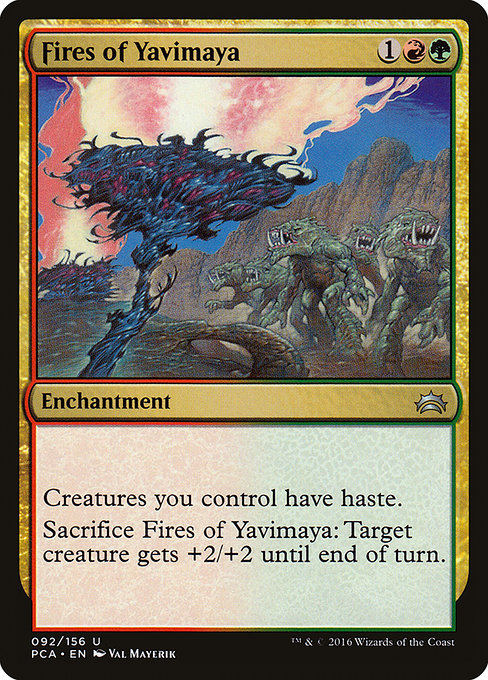
If a creature has haste, it can attack even if it hasn’t been controlled by its controller continuously since their most recent turn began. (See rule 302.6.)
If a creature has haste, its controller can activate its activated abilities whose cost includes the tap symbol or the untap symbol even if that creature hasn’t been controlled by that player continuously since their most recent turn began. (See rule 302.6.)
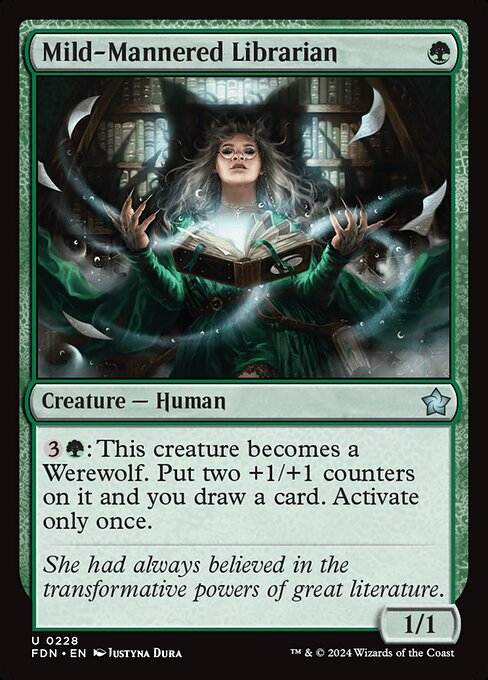
Multiple instances of haste on the same creature are redundant. (CR 702.10) that's still a land. Put four +1/+1 countersTo counter a spell or ability is to cancel it: remove it from the stack without resolving it. A counter on an object or player is instead a marker that changes characteristics or interacts with rules or abilities; for example, a +1/+1 counter modifies a creature’s power and toughness. (CR 701.6; 122.1) on it. When it diesIs put into a graveyard from the battlefield. (CR 700.4) or is exiled, return it to the battlefield tapped. ActivateTo activate an activated ability is to put it onto the stack and pay its costs, so that it will eventually resolve and have its effect. Only an object’s controller (or its owner, if it doesn’t have a controller) can activate its activated ability unless the object specifically says otherwise. A player may activate an ability if they have priority. See rule 602, “Activating Activated Abilities.” (CR 701.2) each exhaustExhaust is a keyword that adds additional rules to the activated ability that follows it. “Exhaust — [Cost]: [Effect]” means “[Cost]: [Effect]. Activate only once.”
An effect may allow you to take an action as long as you haven’t activated an exhaust ability this turn. Such an effect allows that action only if you haven’t begun to activate an exhaust ability this turn. (CR 702.177) ability only once.)
$0.28
Commander: LegalModern: Legal
Save this card
Log in to save cards to your lists.
Start a deck with this cardTags and classifications
Card attributes are distinct from extracted ability facts and inferred themes. AI themes and predicted tags are suggestions, not rules text.
Ability tags
Mana costs
Color identity
Keyword tags
Mana value
Theme tags
Timing tags
Type tags
Predicted tags are currently unavailable.