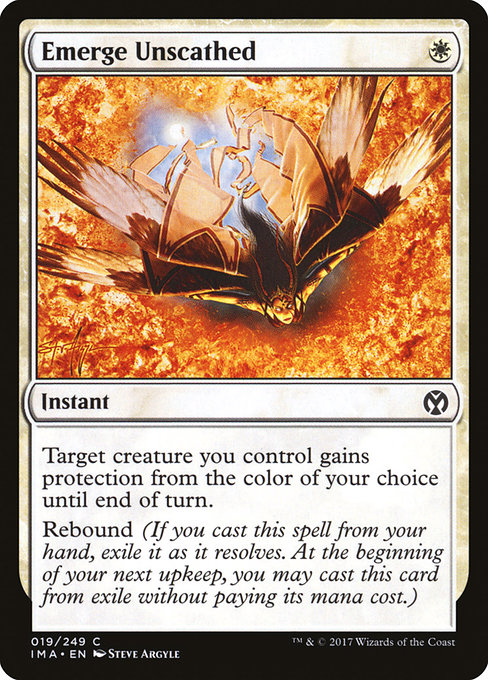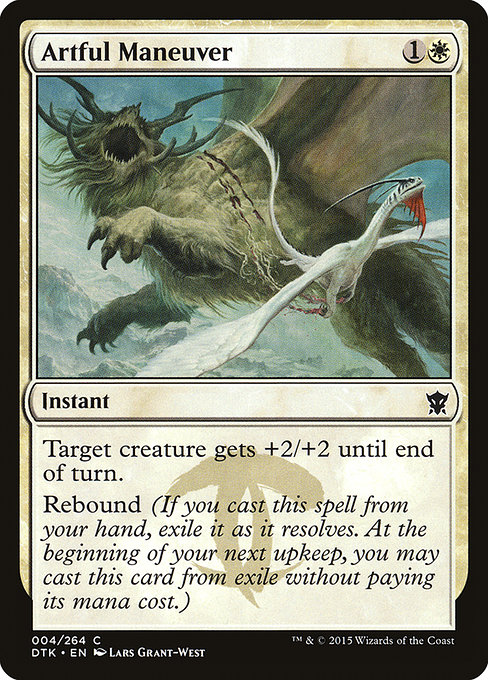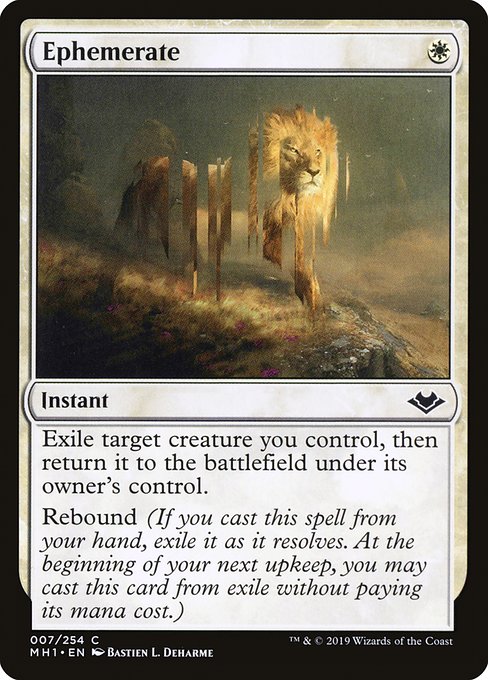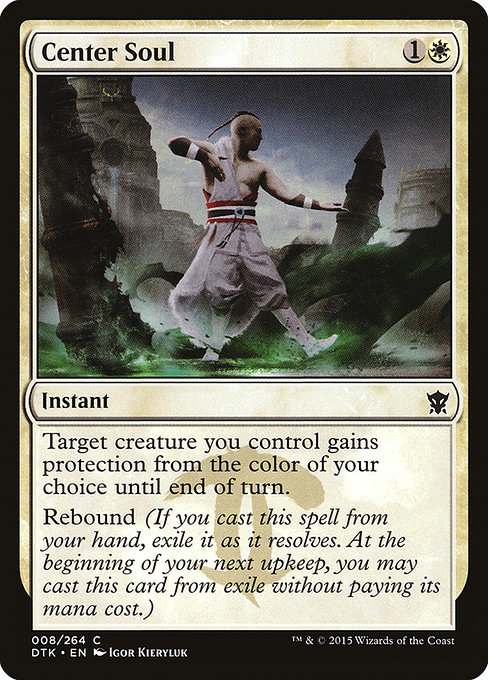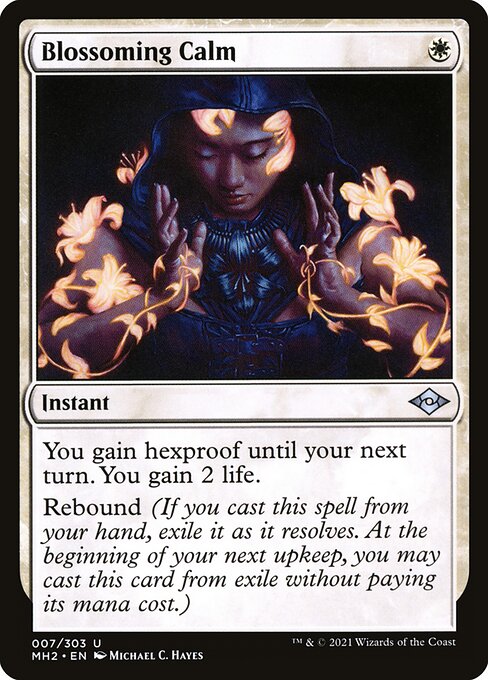
Instant
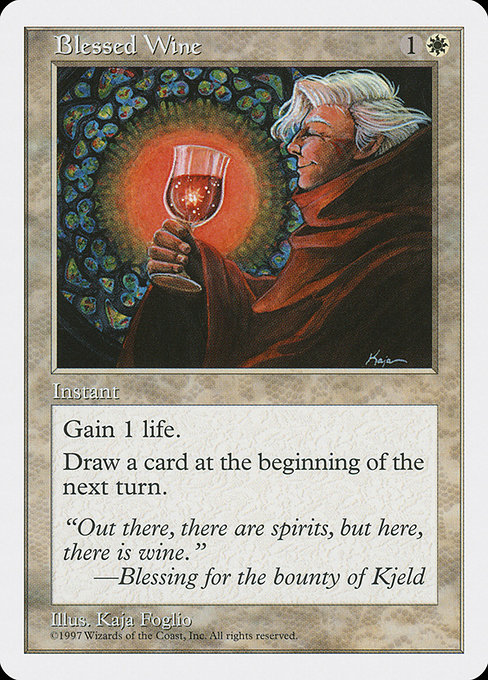
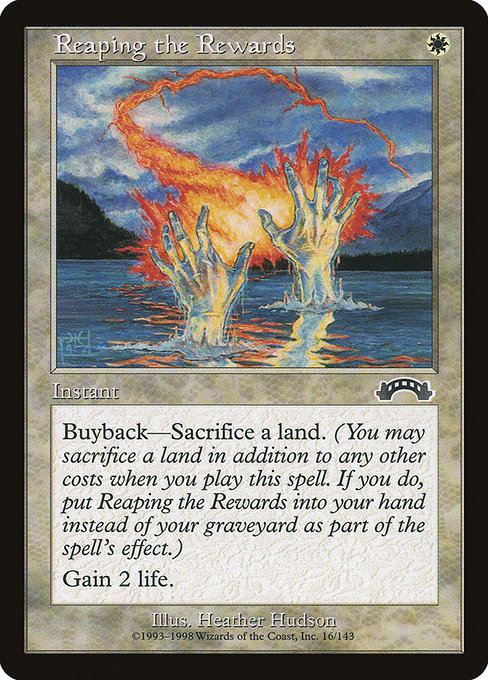
You gain hexproofHexproof is a static ability.
“Hexproof” on a permanent means “This permanent can’t be the target of spells or abilities your opponents control.”
“Hexproof” on a player means “You can’t be the target of spells or abilities your opponents control.”
“Hexproof from [quality]” is a variant of the hexproof ability. “Hexproof from [quality]” on a permanent means “This permanent can’t be the target of [quality] spells your opponents control or abilities your opponents control from [quality] sources.” A “hexproof from [quality]” ability is a hexproof ability.
Any effect that causes an object to lose hexproof will cause an object to lose all “hexproof from [quality]” abilities. Any effect that allows a player to choose a creature with hexproof as a target as though it didn’t have hexproof will allow a player to choose a creature with a “hexproof from [quality]” ability. Any effect that looks for a card with hexproof will find a card with a “hexproof from [quality]” ability.
“Hexproof from [quality A] and from [quality B]” is shorthand for “hexproof from [quality A]” and “hexproof from [quality B]”; it behaves as two separate hexproof abilities.
“Hexproof from each [characteristic]” is shorthand for “hexproof from [quality A],” “hexproof from [quality B],” and so on for each possible quality the listed characteristic could have; it behaves as multiple separate hexproof abilities.
Multiple instances of the same hexproof ability on the same permanent or player are redundant. (CR 702.11) until your next turn. You gain 2 life.
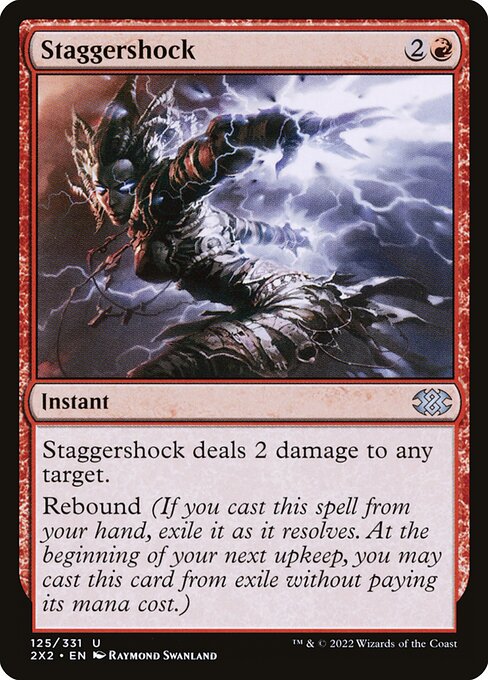
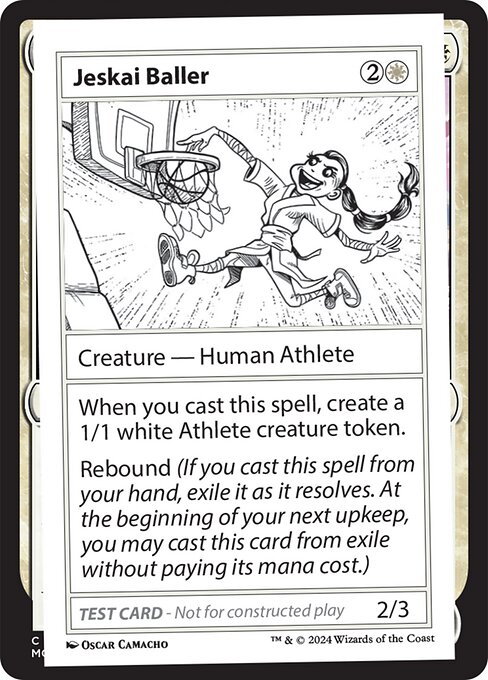
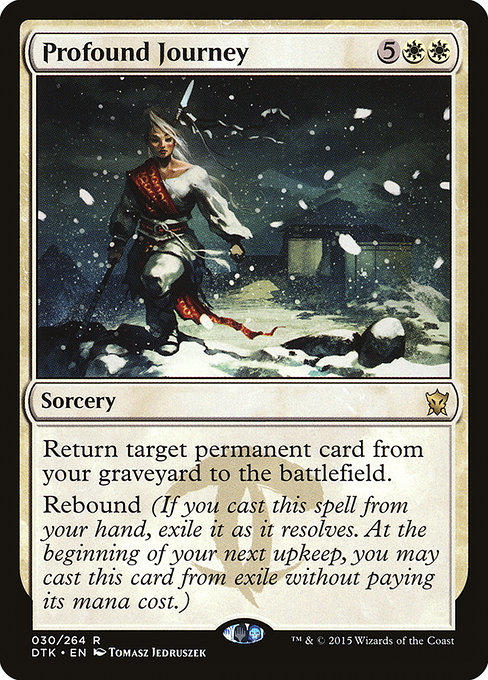
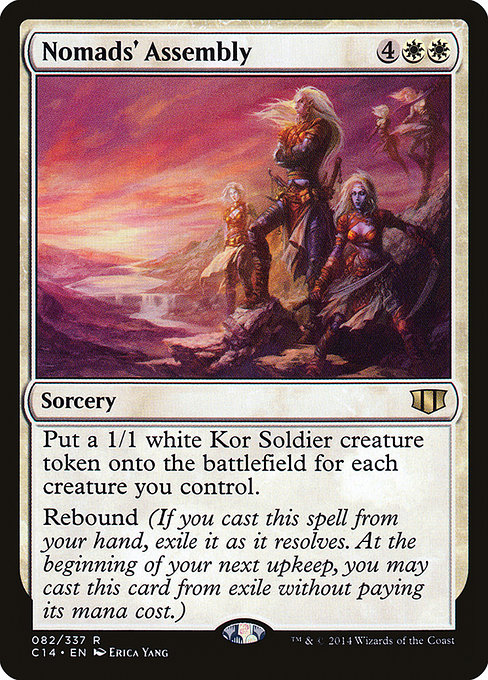
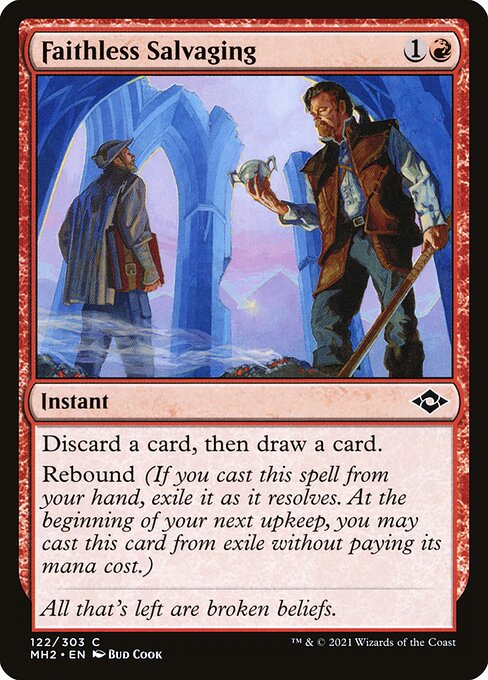
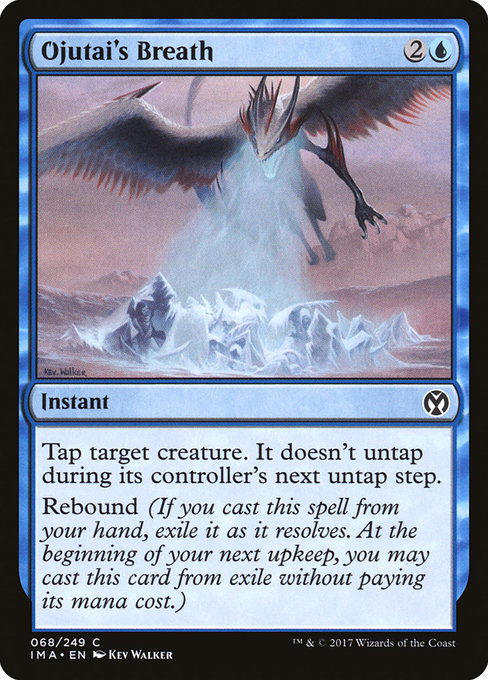
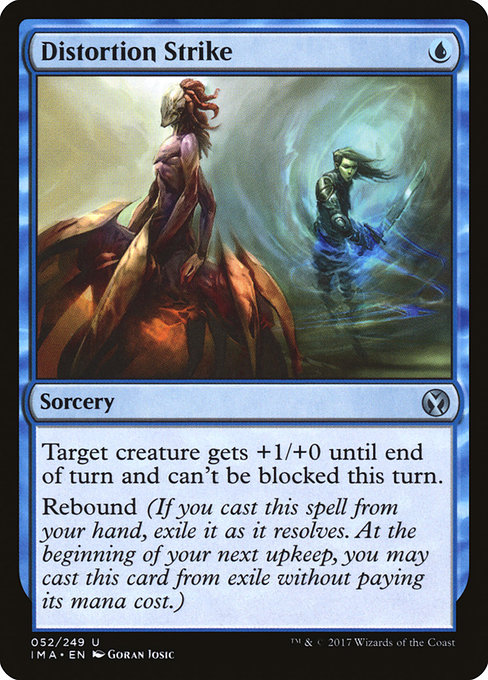
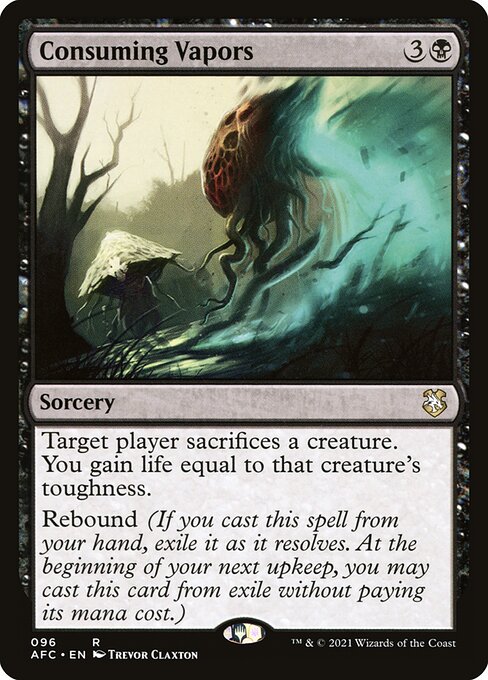
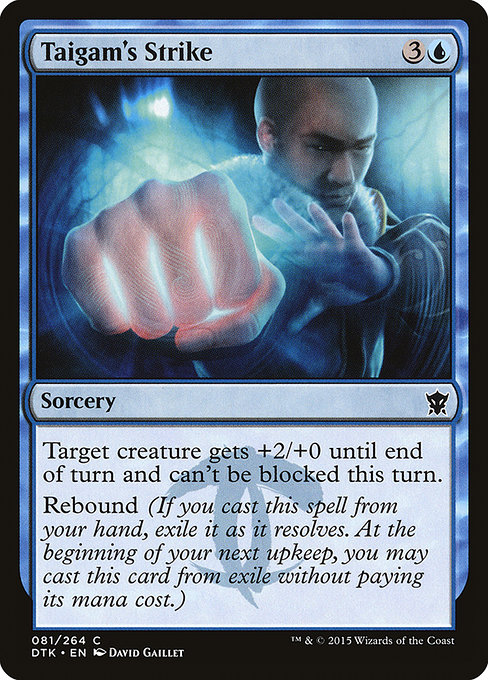
ReboundRebound appears on some instants and sorceries. It represents a static ability that functions while the spell is on the stack and may create a delayed triggered ability. “Rebound” means “If this spell was cast from your hand, instead of putting it into your graveyard as it resolves, exile it and, at the beginning of your next upkeep, you may cast this card from exile without paying its mana cost.”
Casting a spell as an effect of its rebound ability follows the rules for paying alternative costs in rules 601.2b and 601.2f–h.
Multiple instances of rebound on the same spell are redundant. (CR 702.88) (If you castTo cast a spell is to take it from the zone it’s in (usually the hand), put it on the stack, and pay its costs, so that it will eventually resolve and have its effect. A player may cast a spell if they have priority. See rule 601, “Casting Spells.”
To cast a card is to cast it as a spell. (CR 701.5) this spell from your hand, exileTo exile an object, move it to the exile zone from wherever it is. See rule 406, “Exile.” (CR 701.13) it as it resolves. At the beginning of your next upkeep, you may castTo cast a spell is to take it from the zone it’s in (usually the hand), put it on the stack, and pay its costs, so that it will eventually resolve and have its effect. A player may cast a spell if they have priority. See rule 601, “Casting Spells.”
To cast a card is to cast it as a spell. (CR 701.5) this card from exileTo exile an object, move it to the exile zone from wherever it is. See rule 406, “Exile.” (CR 701.13) without paying its mana cost.)
$0.25
Commander: LegalModern: Legal
Save this card
Log in to save cards to your lists.
Start a deck with this cardTags and classifications
Card attributes are distinct from extracted ability facts and inferred themes. AI themes and predicted tags are suggestions, not rules text.
Ability tags
Mana costs
Color identity
Keyword tags
Mana value
Theme tags
Timing tags
Type tags
Predicted tags are currently unavailable.