Instant
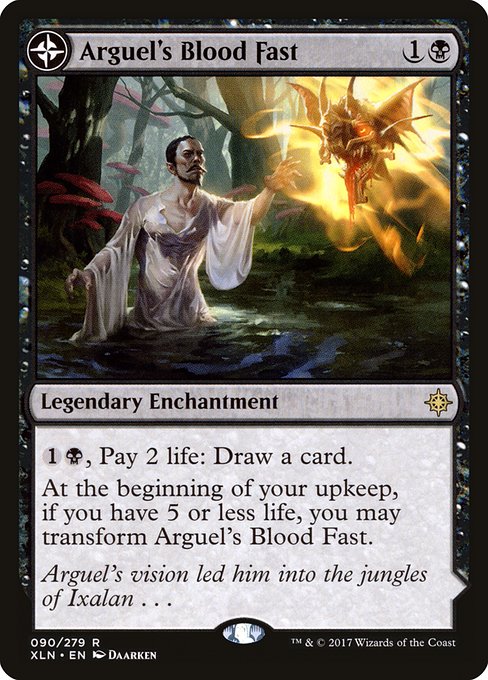
DestroyThe only ways a permanent can be destroyed are as a result of an effect that uses the word “destroy” or as a result of the state-based actions that check for lethal damage (see rule 704.5g) or damage from a source with deathtouch (see rule 704.5h). If a permanent is put into its owner’s graveyard for any other reason, it hasn’t been “destroyed.”
A regeneration effect replaces a destruction event. See rule 701.19, “Regenerate.” (CR 701.8) target artifact or enchantment. CreateTo create one or more tokens with certain characteristics, put the specified number of tokens with the specified characteristics onto the battlefield.
If a replacement effect applies to a token being created, that effect applies before considering any continuous effects that will modify the characteristics of that token. If a replacement effect applies to a token entering the battlefield, that effect applies after considering any continuous effects that will modify the characteristics of that token.
Previously, an effect that created tokens instructed a player to “put [those tokens] onto the battlefield.” Cards that were printed with that text have received errata in the Oracle card reference so they now “create” those tokens. (CR 701.7) a Junk token. (It's an artifact with ", SacrificeTo sacrifice a permanent, its controller moves it from the battlefield directly to its owner’s graveyard. A player can’t sacrifice something that isn’t a permanent, or something that’s a permanent they don’t control. Sacrificing a permanent doesn’t destroy it, so regeneration or other effects that replace destruction can’t affect this action. (CR 701.21) this token: ExileTo exile an object, move it to the exile zone from wherever it is. See rule 406, “Exile.” (CR 701.13) the top card of your library. You may playTo play a land means to put it onto the battlefield from the zone it’s in (usually the hand). A player may play a land if they have priority, it’s the main phase of their turn, the stack is empty, and they haven’t played a land this turn. Playing a land is a special action (see rule 116), so it doesn’t use the stack; it simply happens. Putting a land onto the battlefield as the result of a spell or ability isn’t the same as playing a land. See rule 305, “Lands.”
To play a card means to play that card as a land or to cast that card as a spell, whichever is appropriate.
Some effects instruct a player to “play” with a certain aspect of the game changed, such as “Play with the top card of your library revealed.” “Play” in this sense means to play the Magic game.
Previously, the action of casting a spell, or casting a card as a spell, was referred to on cards as “playing” that spell or that card. Cards that were printed with that text have received errata in the Oracle card reference so they now refer to “casting” that spell or that card.
Previously, the action of using an activated ability was referred to on cards as “playing” that ability. Cards that were printed with that text have received errata in the Oracle card reference so they now refer to “activating” that ability. (CR 701.18) that card this turn. ActivateTo activate an activated ability is to put it onto the stack and pay its costs, so that it will eventually resolve and have its effect. Only an object’s controller (or its owner, if it doesn’t have a controller) can activate its activated ability unless the object specifically says otherwise. A player may activate an ability if they have priority. See rule 602, “Activating Activated Abilities.” (CR 701.2) only as a sorcery.")
Price unavailable
Commander: LegalModern: Not legal
Save this card
Log in to save cards to your lists.
Start a deck with this cardTags and classifications
Card attributes are distinct from extracted ability facts and inferred themes. AI themes and predicted tags are suggestions, not rules text.
Mana costs
Color identity
Mana value
Theme tags
Timing tags
Type tags
Predicted tags are currently unavailable.