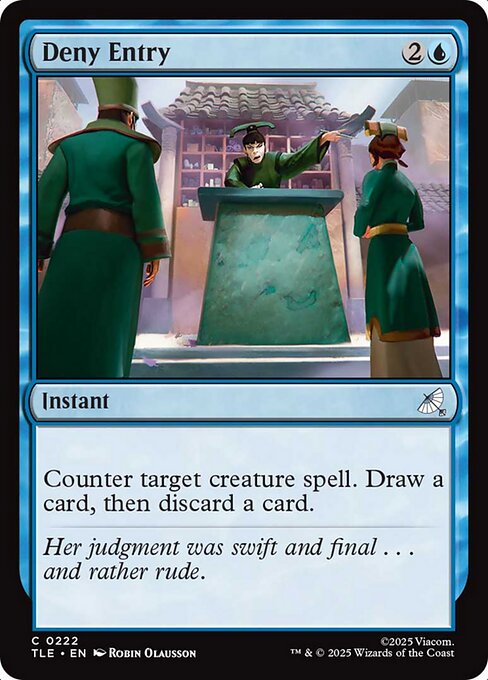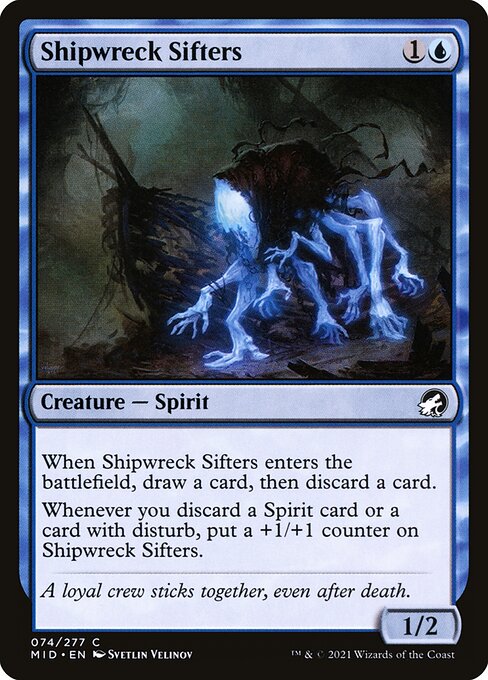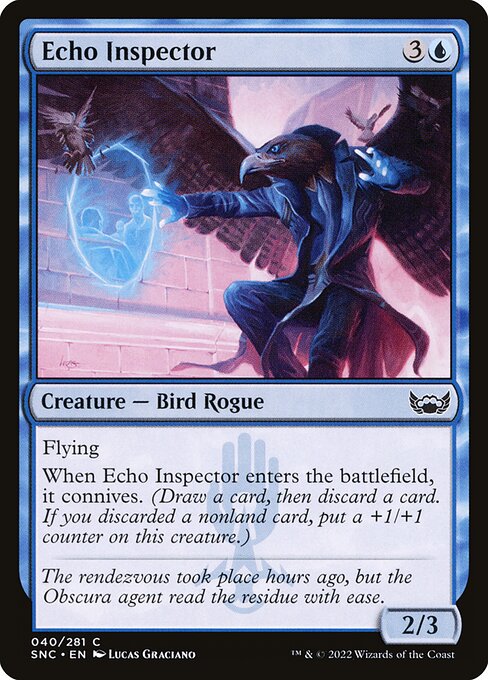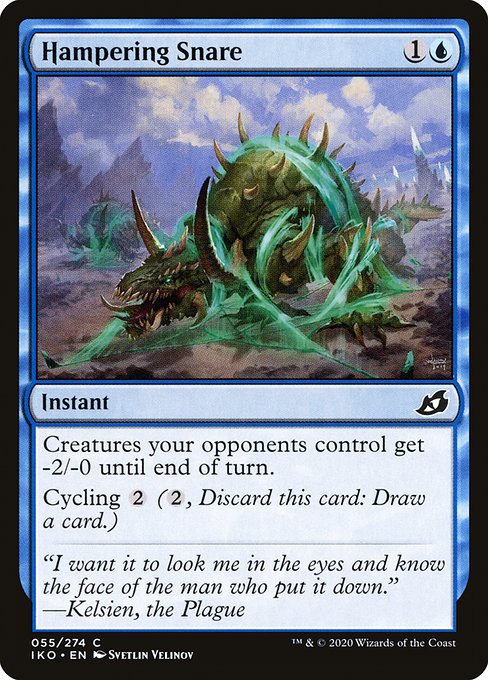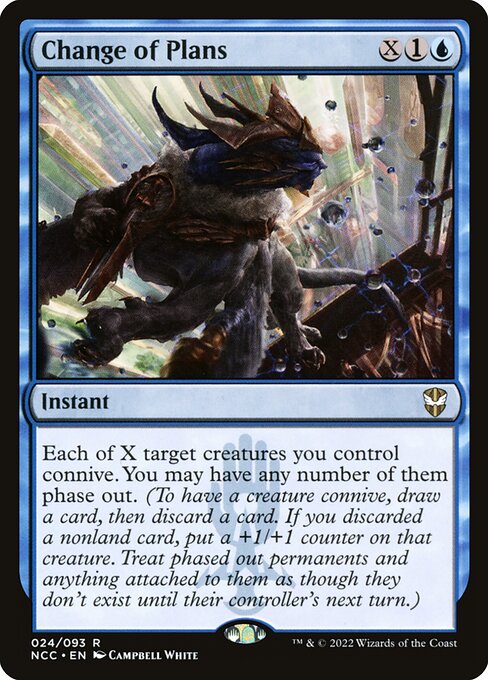
Instant
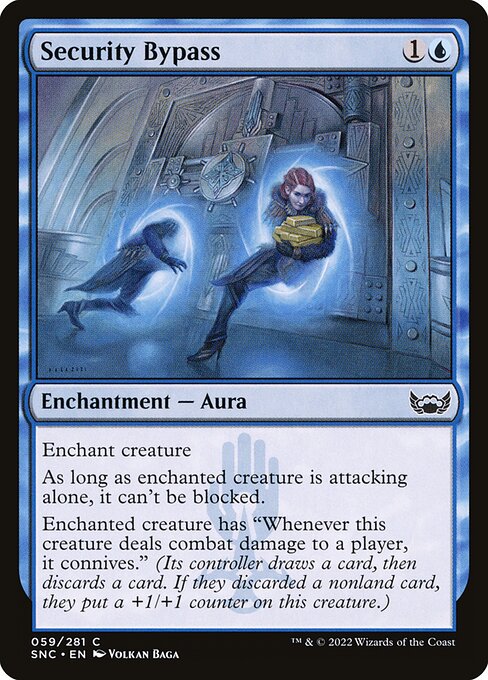
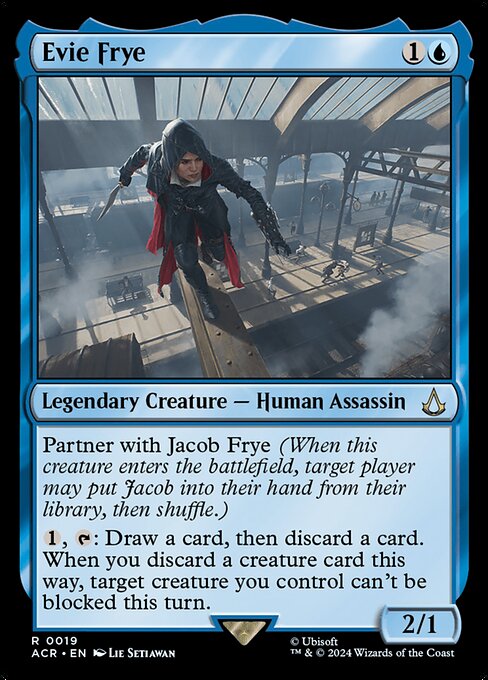
Each of X target creatures you control conniveCertain spells and abilities instruct a permanent to connive. To do so, that permanent’s controller draws a card, then discards a card. If a nonland card is discarded this way, that player puts a +1/+1 counter on the conniving permanent.
If a permanent is no longer on the battlefield as an effect instructs it to connive, its last known information is used to determine which object connived and who controlled it.
If multiple permanents are instructed to connive at the same time, the first player in APNAP order who controls (or, in the case of a permanent no longer on the battlefield, last controlled; see rule 701.50b) one or more of those permanents chooses one of them and it connives. Then this process is repeated for each remaining instruction to connive.
Connive N is a variant of connive. To have a permanent connive N, the permanent’s controller draws N cards, discards N cards, then puts a number of +1/+1 counters on the permanent equal to the number of nonland cards discarded this way.
If a permanent would connive 0, no connive event occurs. Abilities that trigger whenever a permanent connives won’t trigger.
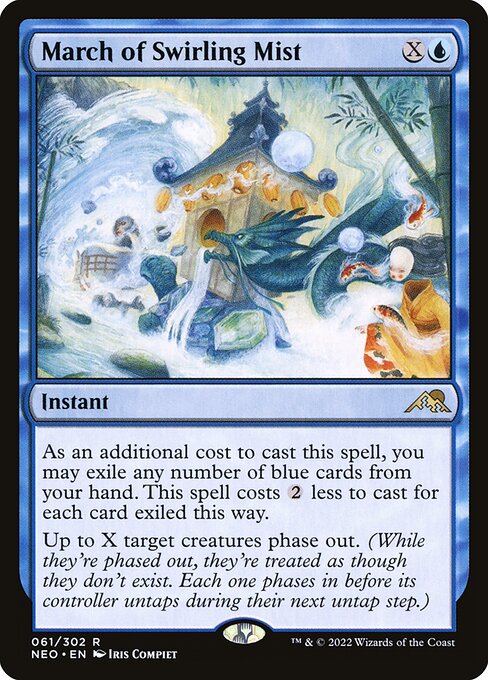
A permanent “connives” after the process described in either rule 701.50a or 701.50d is complete, even if some or all of those actions were impossible. (CR 701.50). You may have any number of them phase out. (To have a creature conniveCertain spells and abilities instruct a permanent to connive. To do so, that permanent’s controller draws a card, then discards a card. If a nonland card is discarded this way, that player puts a +1/+1 counter on the conniving permanent.
If a permanent is no longer on the battlefield as an effect instructs it to connive, its last known information is used to determine which object connived and who controlled it.
If multiple permanents are instructed to connive at the same time, the first player in APNAP order who controls (or, in the case of a permanent no longer on the battlefield, last controlled; see rule 701.50b) one or more of those permanents chooses one of them and it connives. Then this process is repeated for each remaining instruction to connive.
Connive N is a variant of connive. To have a permanent connive N, the permanent’s controller draws N cards, discards N cards, then puts a number of +1/+1 counters on the permanent equal to the number of nonland cards discarded this way.
If a permanent would connive 0, no connive event occurs. Abilities that trigger whenever a permanent connives won’t trigger.
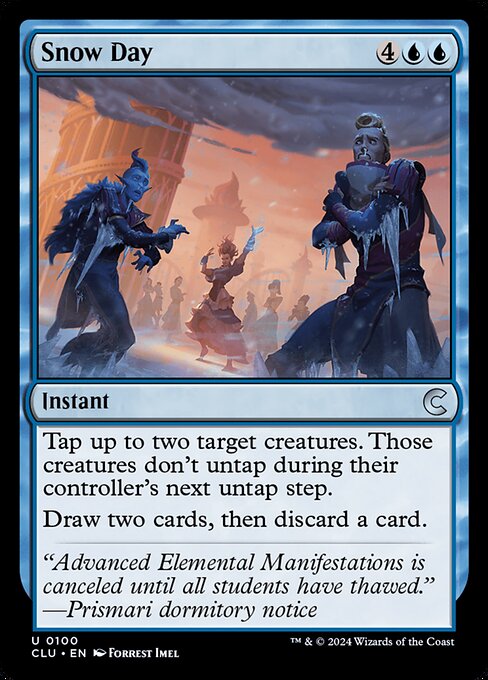
A permanent “connives” after the process described in either rule 701.50a or 701.50d is complete, even if some or all of those actions were impossible. (CR 701.50), draw a card, then discardTo discard a card, move it from its owner’s hand to that player’s graveyard.
By default, effects that cause a player to discard a card allow the affected player to choose which card to discard. Some effects, however, require a random discard or allow another player to choose which card is discarded.
If a card is discarded, but an effect causes it to be put into a hidden zone instead of into its owner’s graveyard without being revealed, all values of that card’s characteristics are considered to be undefined. If a card is discarded this way to pay a cost that specifies a characteristic about the discarded card, that cost payment is illegal; the game returns to the moment before the cost was paid (see rule 733, “Handling Illegal Actions”). (CR 701.9) a card. If you discarded a nonland card, put a +1/+1 counterTo counter a spell or ability is to cancel it: remove it from the stack without resolving it. A counter on an object or player is instead a marker that changes characteristics or interacts with rules or abilities; for example, a +1/+1 counter modifies a creature’s power and toughness. (CR 701.6; 122.1) on that creature. Treat phased-out permanents and anything attached to them as though they don't exist until their controller's next turn.)
$13.92
Commander: LegalModern: Not legal
Save this card
Log in to save cards to your lists.
Start a deck with this cardTags and classifications
Card attributes are distinct from extracted ability facts and inferred themes. AI themes and predicted tags are suggestions, not rules text.
Ability tags
Mana costs
Color identity
Keyword tags
Mana value
Theme tags
Timing tags
Type tags
Predicted tags are currently unavailable.