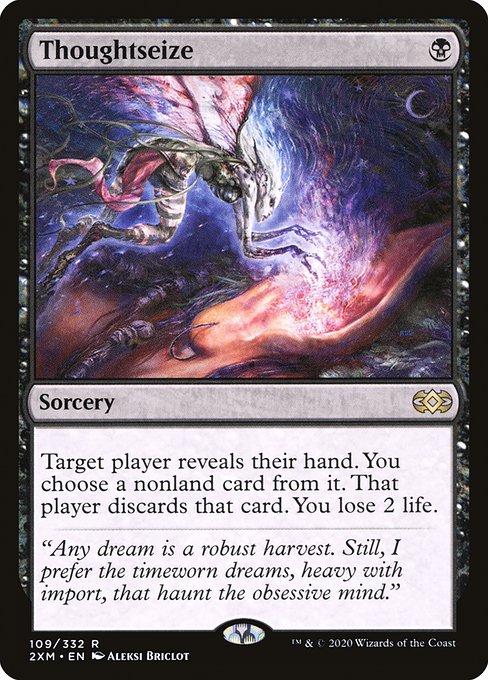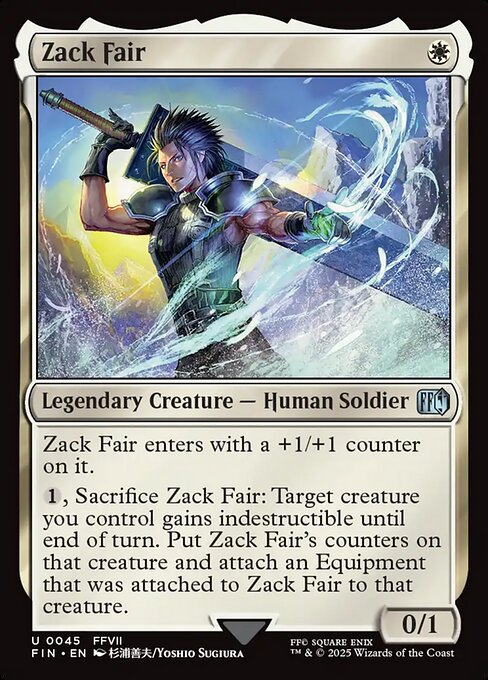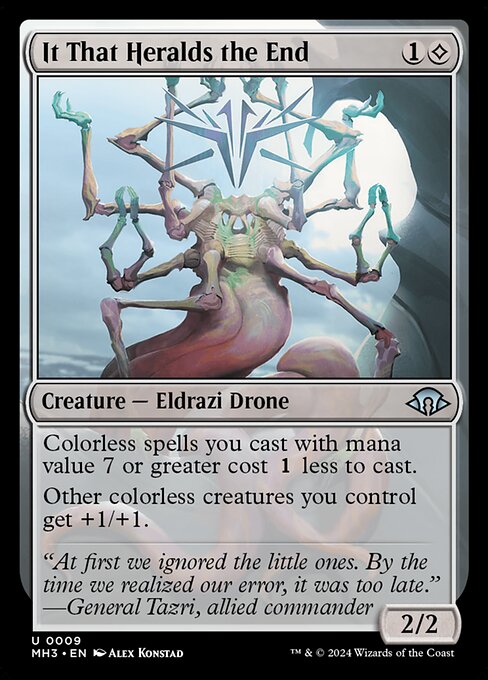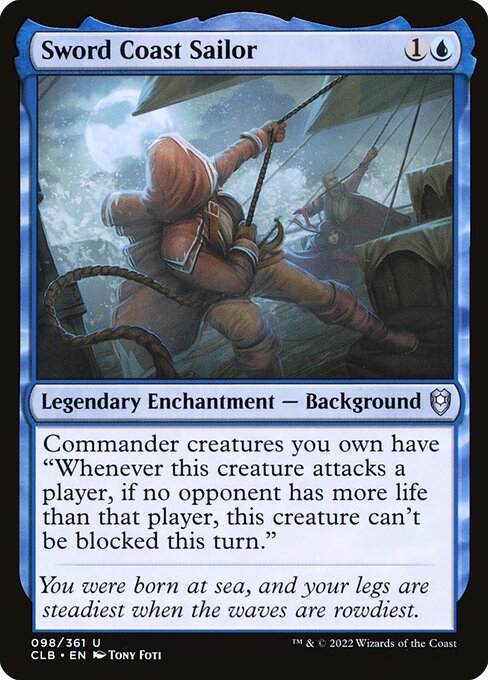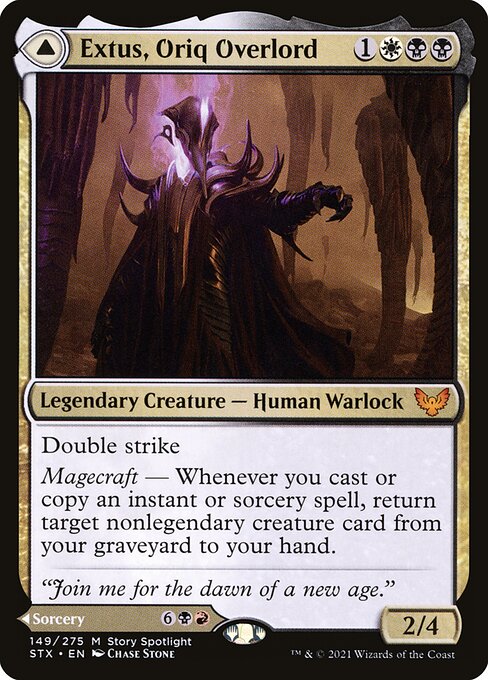
Legendary Creature — Human Warlock // Sorcery //
Double strikeDouble strike is a static ability that modifies the rules for the combat damage step. (See rule 510, “Combat Damage Step.”)
If at least one attacking or blocking creature has first strike (see rule 702.7) or double strike as the combat damage step begins, the only creatures that assign combat damage in that step are those with first strike or double strike. After that step, instead of proceeding to the end of combat step, the phase gets a second combat damage step. The only creatures that assign combat damage in that step are the remaining attackers and blockers that had neither first strike nor double strike as the first combat damage step began, as well as the remaining attackers and blockers that currently have double strike. After that step, the phase proceeds to the end of combat step.
Removing double strike from a creature during the first combat damage step will stop it from assigning combat damage in the second combat damage step.
Giving double strike to a creature with first strike after it has already dealt combat damage in the first combat damage step will allow the creature to assign combat damage in the second combat damage step.
Multiple instances of double strike on the same creature are redundant. (CR 702.4)
MagecraftAn ability word has no rules meaning of its own. It groups abilities with similar themes; the text following it explains this card’s effect. (CR 207.2c) — Whenever you castTo cast a spell is to take it from the zone it’s in (usually the hand), put it on the stack, and pay its costs, so that it will eventually resolve and have its effect. A player may cast a spell if they have priority. See rule 601, “Casting Spells.”
To cast a card is to cast it as a spell. (CR 701.5) or copy an instant or sorcery spell, return target nonlegendary creature card from your graveyard to your hand. // As an additional cost to castTo cast a spell is to take it from the zone it’s in (usually the hand), put it on the stack, and pay its costs, so that it will eventually resolve and have its effect. A player may cast a spell if they have priority. See rule 601, “Casting Spells.”
To cast a card is to cast it as a spell. (CR 701.5) this spell, you may sacrificeTo sacrifice a permanent, its controller moves it from the battlefield directly to its owner’s graveyard. A player can’t sacrifice something that isn’t a permanent, or something that’s a permanent they don’t control. Sacrificing a permanent doesn’t destroy it, so regeneration or other effects that replace destruction can’t affect this action. (CR 701.21) any number of creatures. This spell costs less to castTo cast a spell is to take it from the zone it’s in (usually the hand), put it on the stack, and pay its costs, so that it will eventually resolve and have its effect. A player may cast a spell if they have priority. See rule 601, “Casting Spells.”
To cast a card is to cast it as a spell. (CR 701.5) for each creature sacrificed this way.
Each opponent sacrifices a creature of their choice. CreateTo create one or more tokens with certain characteristics, put the specified number of tokens with the specified characteristics onto the battlefield.
If a replacement effect applies to a token being created, that effect applies before considering any continuous effects that will modify the characteristics of that token. If a replacement effect applies to a token entering the battlefield, that effect applies after considering any continuous effects that will modify the characteristics of that token.
Previously, an effect that created tokens instructed a player to “put [those tokens] onto the battlefield.” Cards that were printed with that text have received errata in the Oracle card reference so they now “create” those tokens. (CR 701.7) a 3/6 black and red Avatar creature token with hasteHaste is a static ability.
If a creature has haste, it can attack even if it hasn’t been controlled by its controller continuously since their most recent turn began. (See rule 302.6.)
If a creature has haste, its controller can activate its activated abilities whose cost includes the tap symbol or the untap symbol even if that creature hasn’t been controlled by that player continuously since their most recent turn began. (See rule 302.6.)
Multiple instances of haste on the same creature are redundant. (CR 702.10) and "Whenever this token attacks, it deals 3 damage to each opponent."
$0.56
Commander: LegalModern: Legal
Save this card
Log in to save cards to your lists.
Start a deck with this cardTags and classifications
Card attributes are distinct from extracted ability facts and inferred themes. AI themes and predicted tags are suggestions, not rules text.
Ability tags
Mana costs
Creature kinds
Classes and roles
Color identity
Keyword tags
Mana value
Timing tags
Type tags
Predicted tags are currently unavailable.