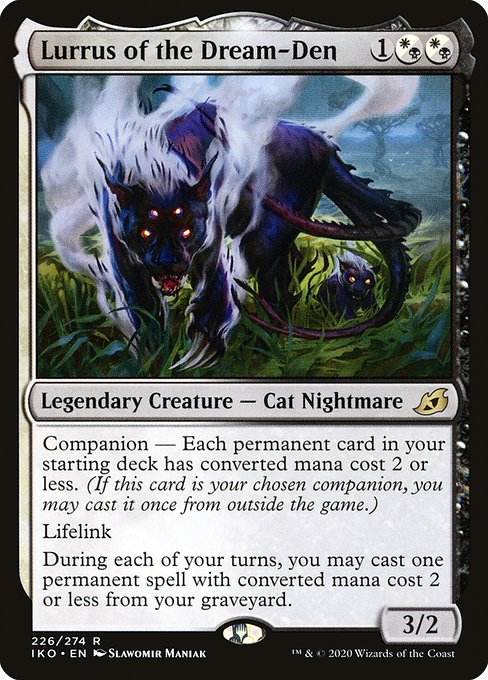
Legendary Creature — Cat Nightmare
CompanionCompanion is a keyword ability that functions outside the game. It’s written as “Companion—[Condition].” Before the game begins, you may reveal one card you own from outside the game with a companion ability whose condition is fulfilled by your starting deck. (See rule 103.2b.) Once during the game, any time you have priority and the stack is empty, but only during a main phase of your turn, you may pay and put that card into your hand. This is a special action that doesn’t use the stack (see rule 116.2g). This is a change from previous rules.
If a companion ability refers to your starting deck, it refers to your deck after you’ve set aside any sideboard cards. In a Commander game, this is also before you’ve set aside your commander.
Once you take the special action and put the card with companion into your hand, it remains in the game until the game ends.
Cards can enter Commander games from outside the game via the companion special action. (CR 702.139) — Each permanent card in your starting deck has mana value 2 or less. (If this card is your chosen companionCompanion is a keyword ability that functions outside the game. It’s written as “Companion—[Condition].” Before the game begins, you may reveal one card you own from outside the game with a companion ability whose condition is fulfilled by your starting deck. (See rule 103.2b.) Once during the game, any time you have priority and the stack is empty, but only during a main phase of your turn, you may pay and put that card into your hand. This is a special action that doesn’t use the stack (see rule 116.2g). This is a change from previous rules.
If a companion ability refers to your starting deck, it refers to your deck after you’ve set aside any sideboard cards. In a Commander game, this is also before you’ve set aside your commander.
Once you take the special action and put the card with companion into your hand, it remains in the game until the game ends.
Cards can enter Commander games from outside the game via the companion special action. (CR 702.139), you may put it into your hand from outside the game for as a sorcery.)
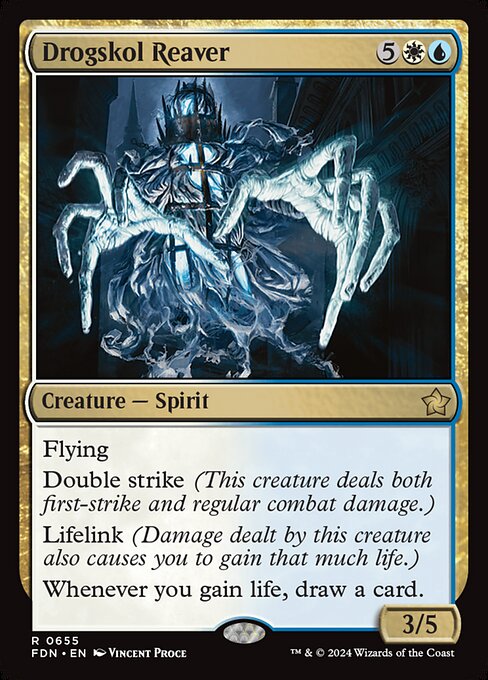
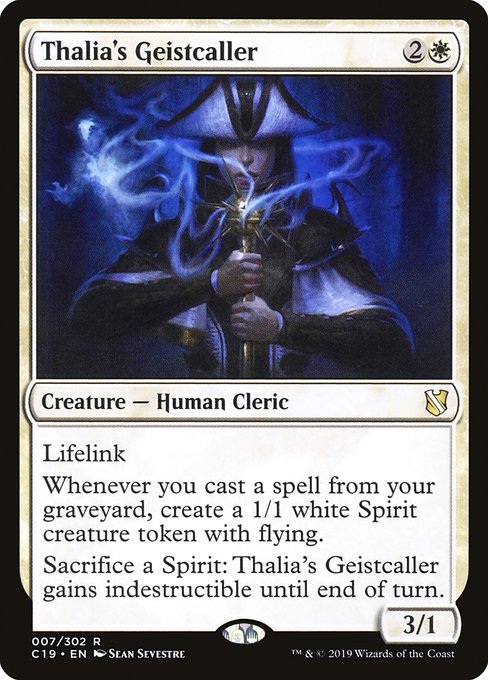
LifelinkLifelink is a static ability.
Damage dealt by a source with lifelink causes that source’s controller, or its owner if it has no controller, to gain that much life (in addition to any other results that damage causes). See rule 120.3.
If an object is no longer in the zone it’s expected to be in as an effect causes it to deal damage, its last known information is used to determine whether it had lifelink.
The lifelink rules function no matter what zone an object with lifelink deals damage from.
If multiple sources with lifelink deal damage at the same time, they cause separate life gain events (see rules 119.9–10).
Multiple instances of lifelink on the same object are redundant. (CR 702.15)
Once during each of your turns, you may castTo cast a spell is to take it from the zone it’s in (usually the hand), put it on the stack, and pay its costs, so that it will eventually resolve and have its effect. A player may cast a spell if they have priority. See rule 601, “Casting Spells.”
To cast a card is to cast it as a spell. (CR 701.5) a permanent spell with mana value 2 or less from your graveyard.
$2.29
Commander: LegalModern: Not legal
Save this card
Log in to save cards to your lists.
Start a deck with this cardTags and classifications
Card attributes are distinct from extracted ability facts and inferred themes. AI themes and predicted tags are suggestions, not rules text.
Ability tags
Mana costs
Creature kinds
Color identity
Keyword tags
Mana value
Theme tags
Timing tags
Type tags
Predicted tags are currently unavailable.