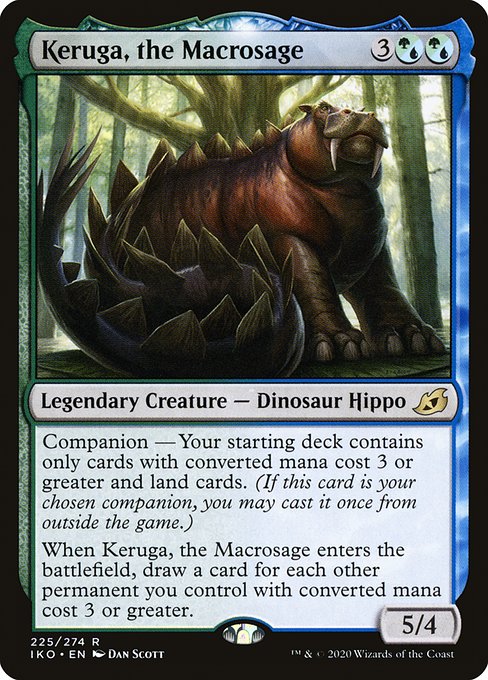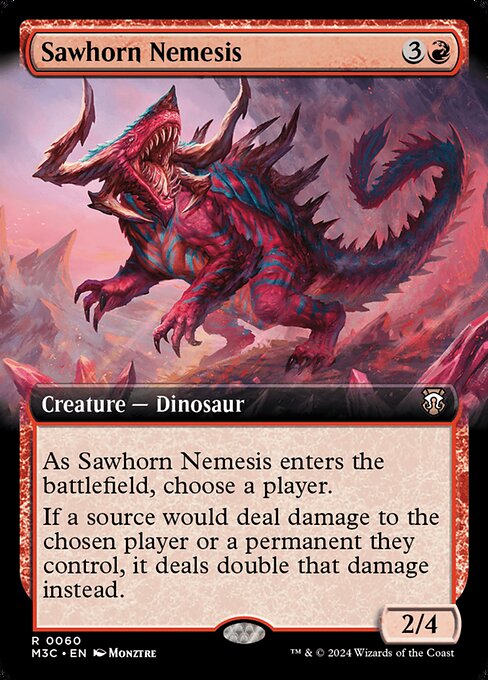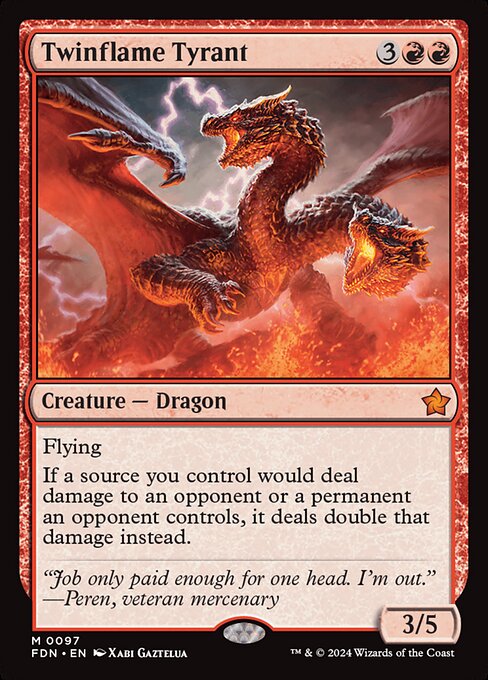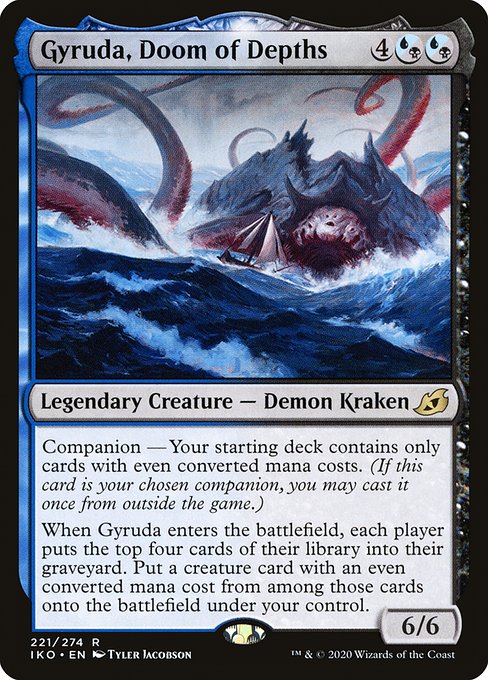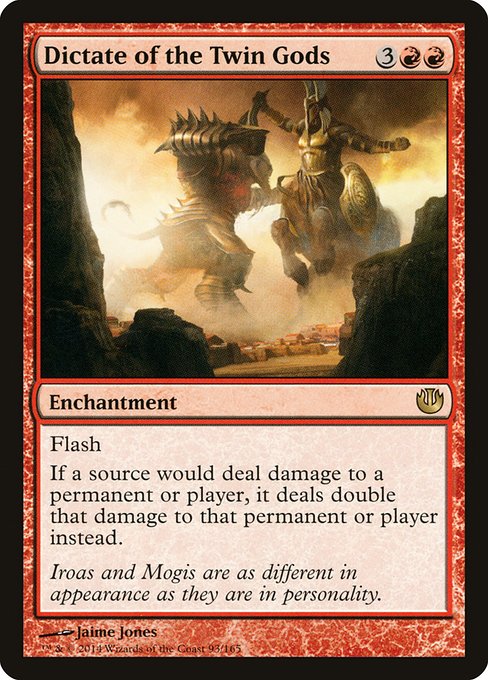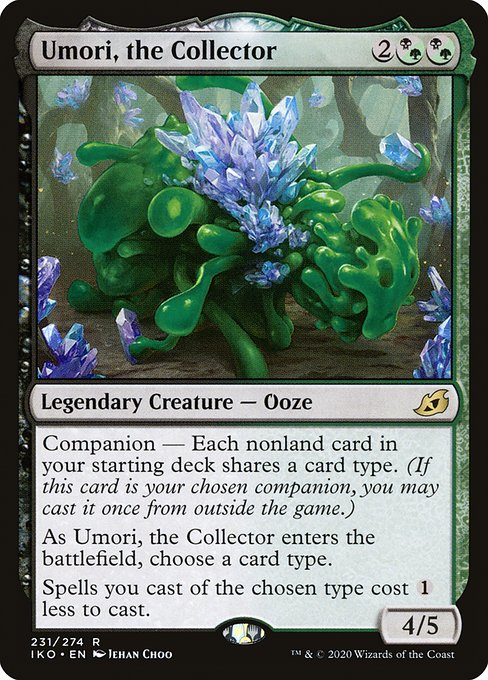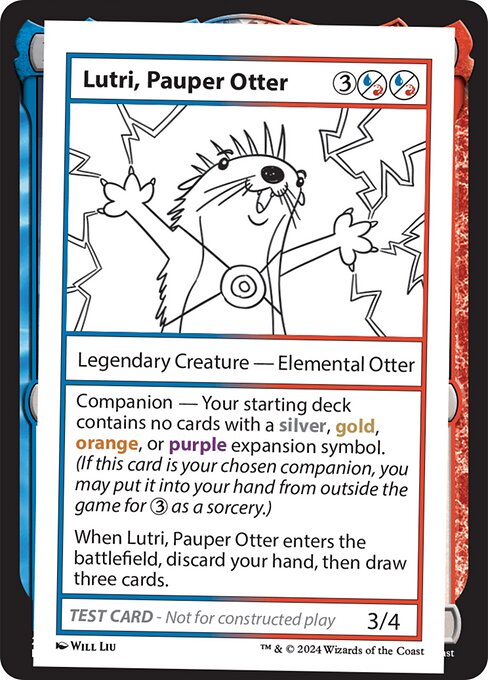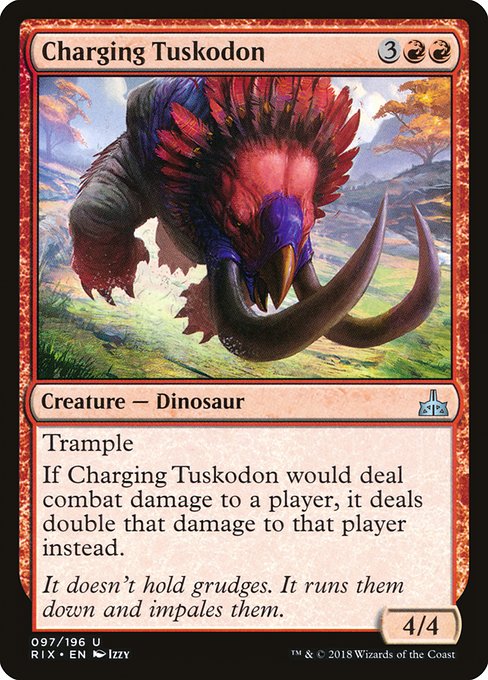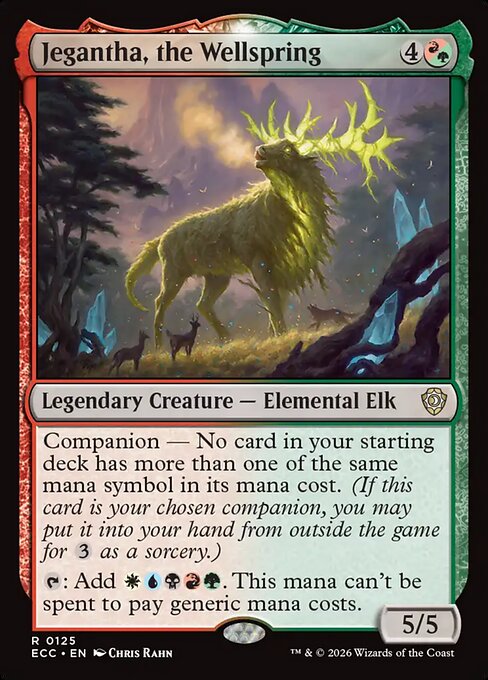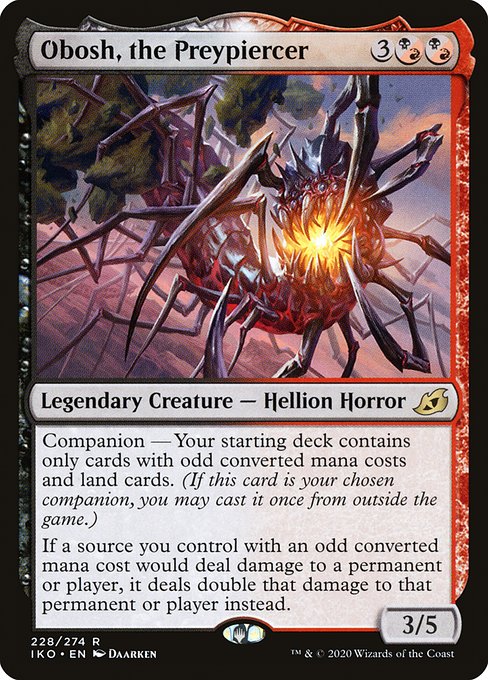
Legendary Creature — Hellion Horror
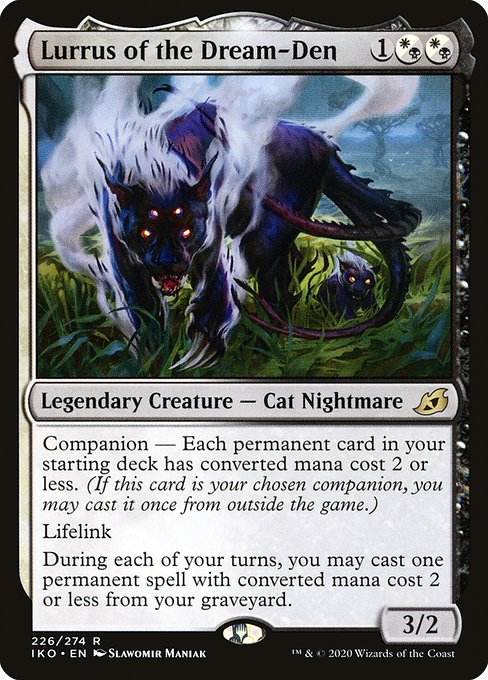
CompanionCompanion is a keyword ability that functions outside the game. It’s written as “Companion—[Condition].” Before the game begins, you may reveal one card you own from outside the game with a companion ability whose condition is fulfilled by your starting deck. (See rule 103.2b.) Once during the game, any time you have priority and the stack is empty, but only during a main phase of your turn, you may pay and put that card into your hand. This is a special action that doesn’t use the stack (see rule 116.2g). This is a change from previous rules.
If a companion ability refers to your starting deck, it refers to your deck after you’ve set aside any sideboard cards. In a Commander game, this is also before you’ve set aside your commander.
Once you take the special action and put the card with companion into your hand, it remains in the game until the game ends.
Cards can enter Commander games from outside the game via the companion special action. (CR 702.139) — Your starting deck contains only cards with odd mana values and land cards. (If this card is your chosen companionCompanion is a keyword ability that functions outside the game. It’s written as “Companion—[Condition].” Before the game begins, you may reveal one card you own from outside the game with a companion ability whose condition is fulfilled by your starting deck. (See rule 103.2b.) Once during the game, any time you have priority and the stack is empty, but only during a main phase of your turn, you may pay and put that card into your hand. This is a special action that doesn’t use the stack (see rule 116.2g). This is a change from previous rules.
If a companion ability refers to your starting deck, it refers to your deck after you’ve set aside any sideboard cards. In a Commander game, this is also before you’ve set aside your commander.
Once you take the special action and put the card with companion into your hand, it remains in the game until the game ends.
Cards can enter Commander games from outside the game via the companion special action. (CR 702.139), you may put it into your hand from outside the game for as a sorcery.)
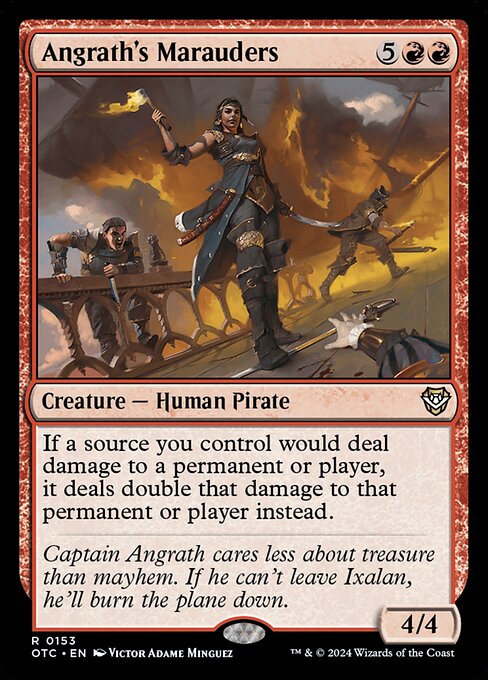
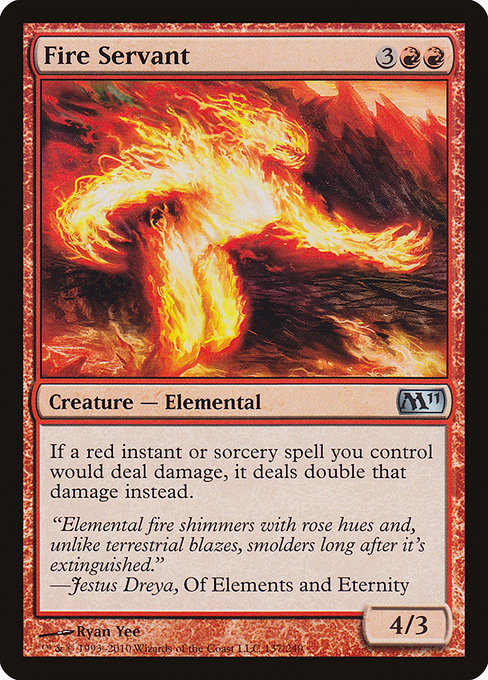
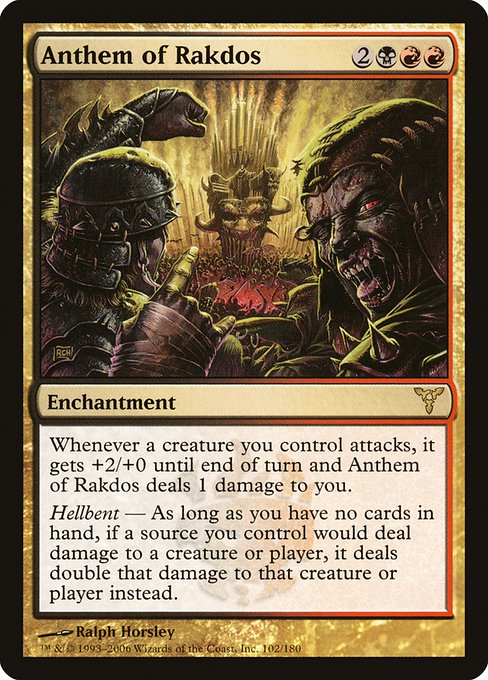
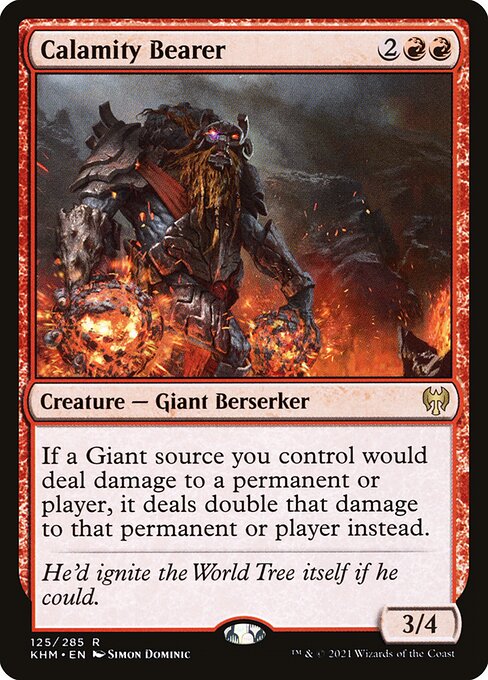
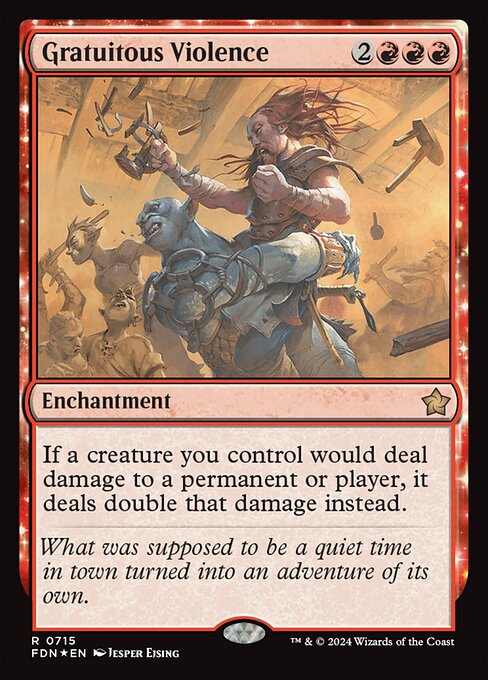
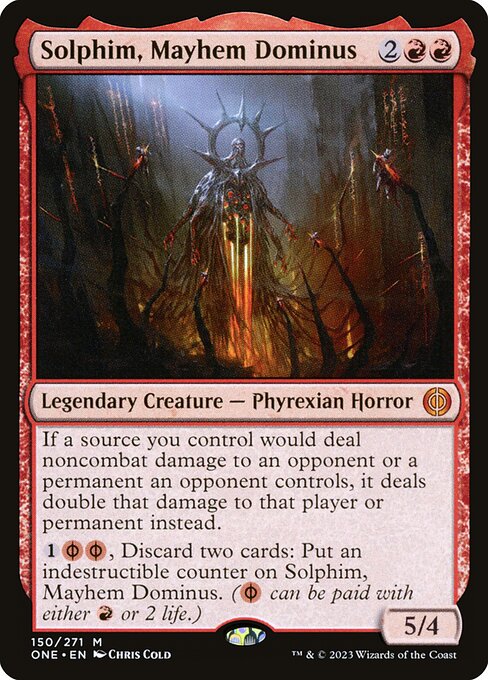
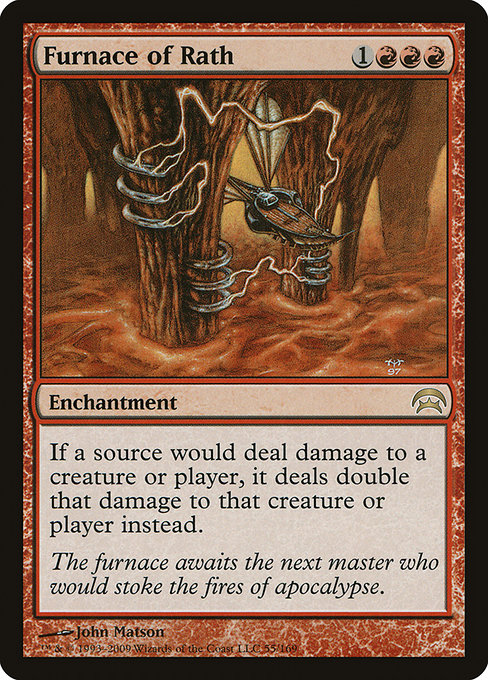
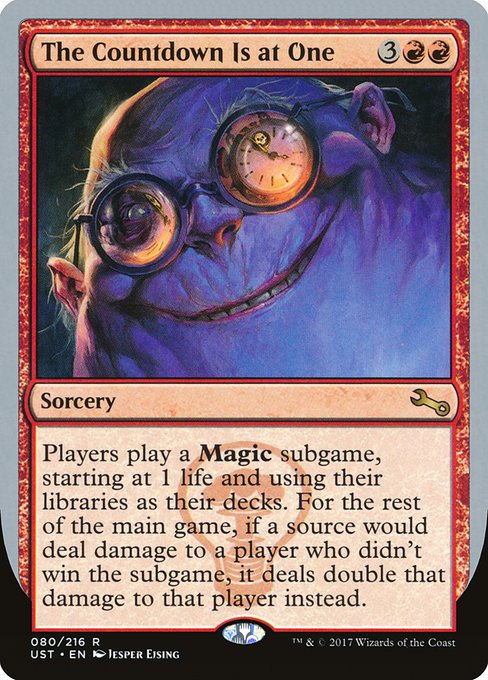
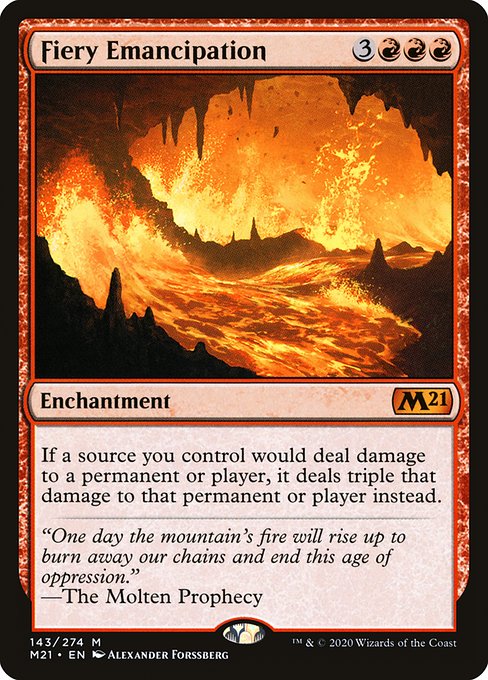
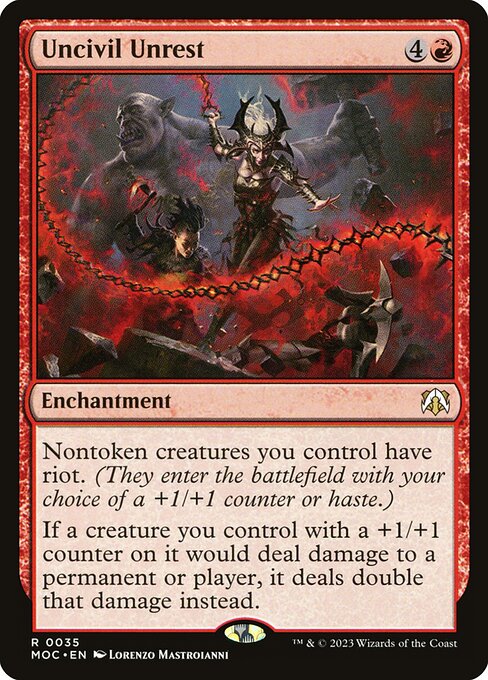
If a source you control with an odd mana value would deal damage to a permanent or player, it deals doubleDoubling a creature’s power and/or toughness creates a continuous effect. This effect modifies that creature’s power and/or toughness but doesn’t set those characteristics to a specific value. See rule 613.4c.
To double a creature’s power, that creature gets +X/+0, where X is that creature’s power as the spell or ability that doubles its power resolves. Similarly, an effect that doubles a creature’s toughness gives it +0/+X, where X is that creature’s toughness. Doubling a creature’s power and toughness gives it +X/+Y, where X is its power and Y is its toughness.
If a creature’s power is less than 0 when it’s doubled, doubling that creature’s power instead means that the creature gets -X/-0, where X is the difference between 0 and its power. Similarly, if its toughness is less than 0 when doubled, it gets -0/-X. If one characteristic’s value is negative but the other isn’t when both are doubled, it gets -X/+Y or +X/-Y, as appropriate.
To double a player’s life total, the player gains or loses an amount of life such that their new life total is twice its current value.
To double the number of a kind of counters on a player or permanent, give that player or permanent as many of those counters as that player or permanent already has.
To double the amount of a type of mana in a player’s mana pool, that player adds an amount of mana of that type equal to the amount they already have.
To double an amount of damage a source would deal, that source instead deals twice that much damage. This is a replacement effect. (CR 701.10) that damage to that permanent or player instead.
$0.28
Commander: LegalModern: Legal
Save this card
Log in to save cards to your lists.
Start a deck with this cardTags and classifications
Card attributes are distinct from extracted ability facts and inferred themes. AI themes and predicted tags are suggestions, not rules text.
Ability tags
Mana costs
Creature kinds
Color identity
Keyword tags
Mana value
Timing tags
Type tags
Predicted tags are currently unavailable.