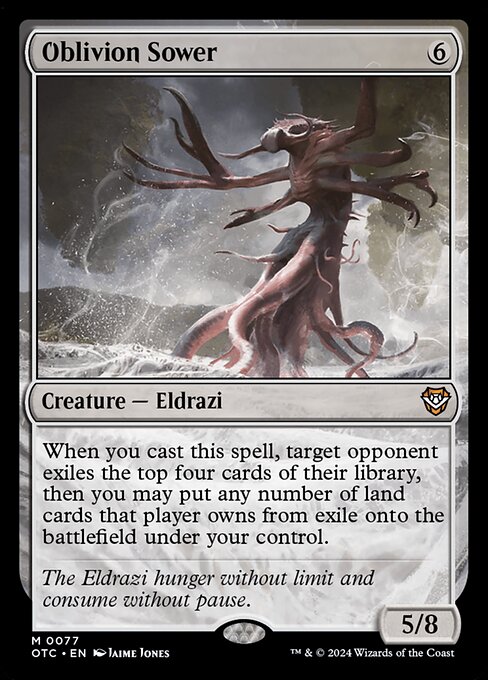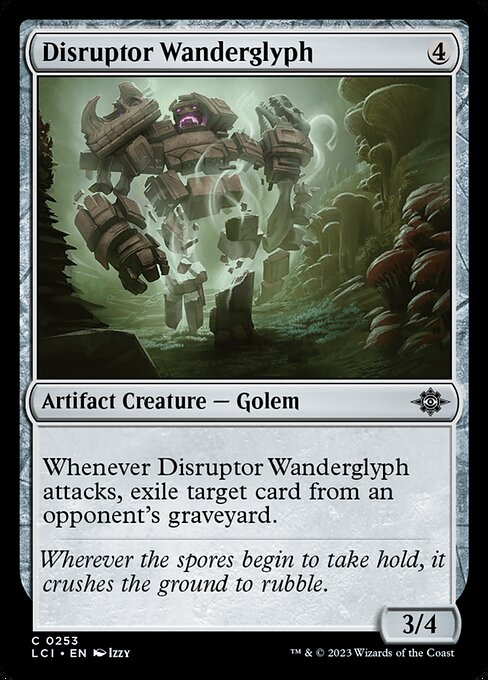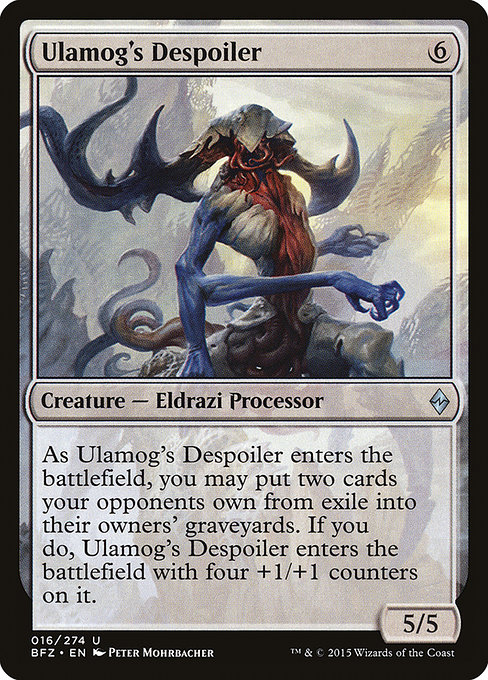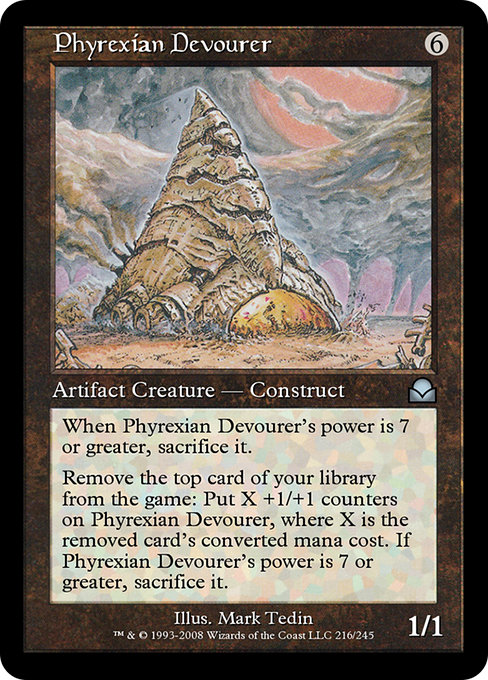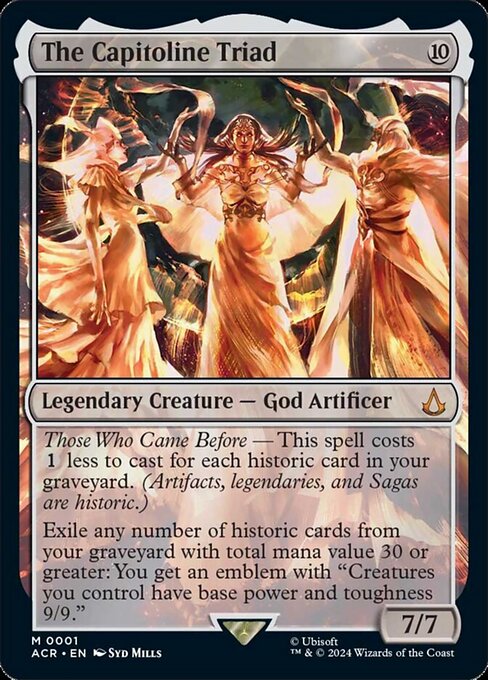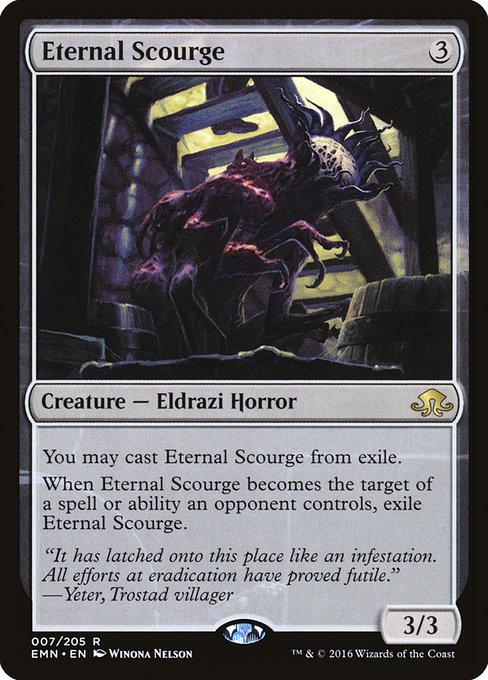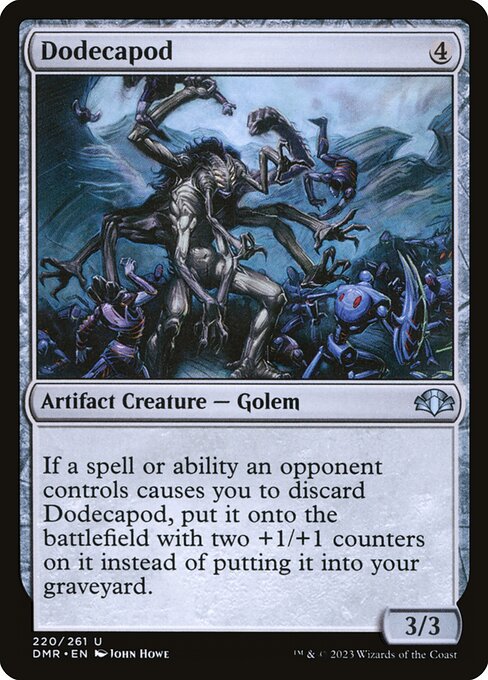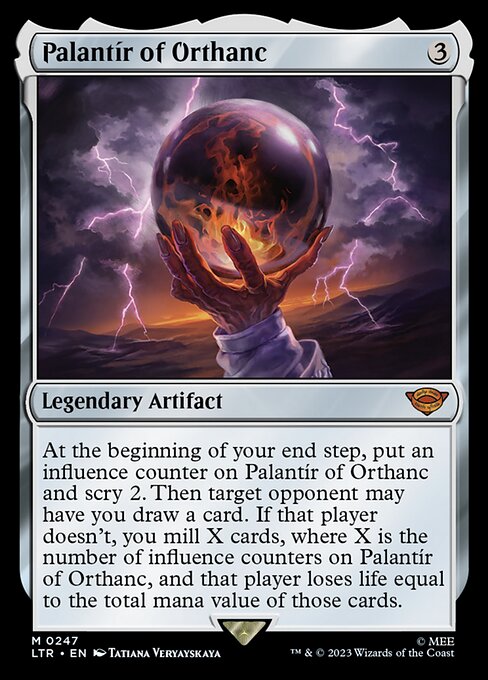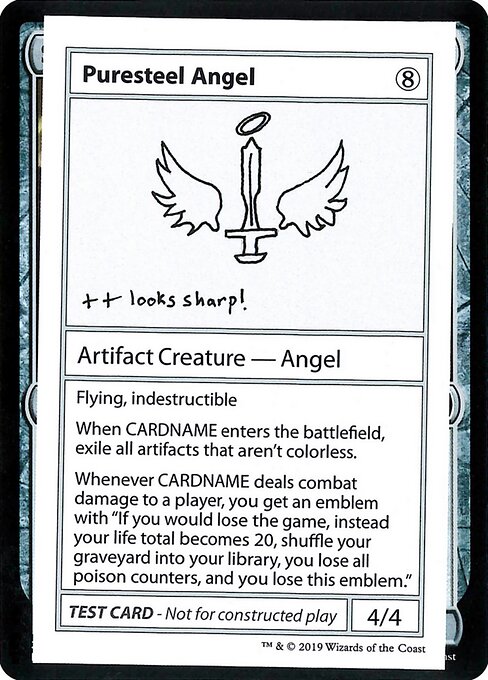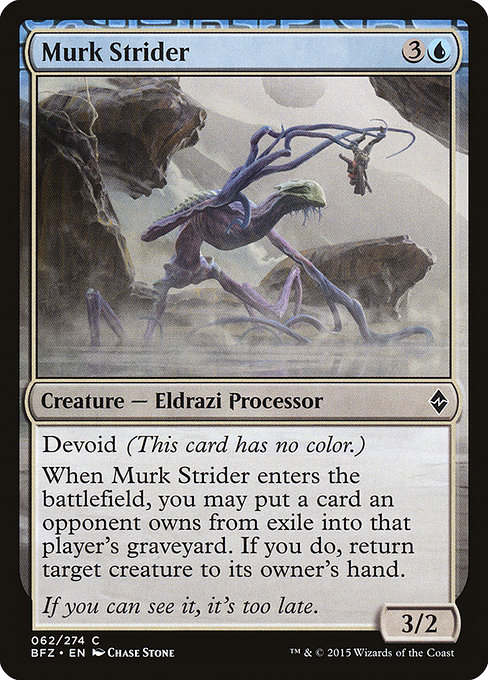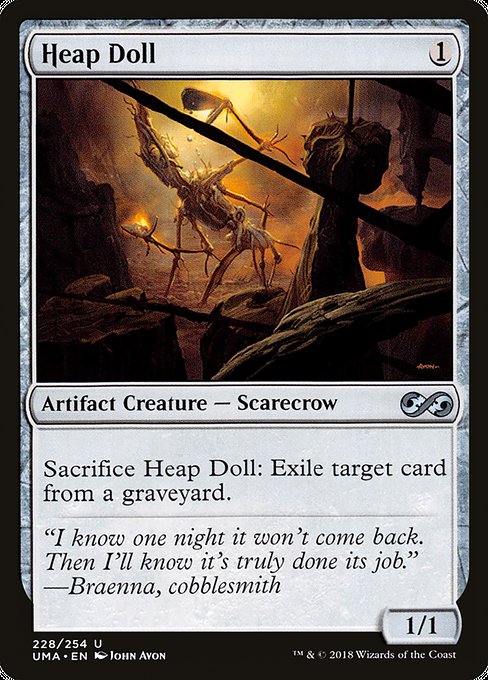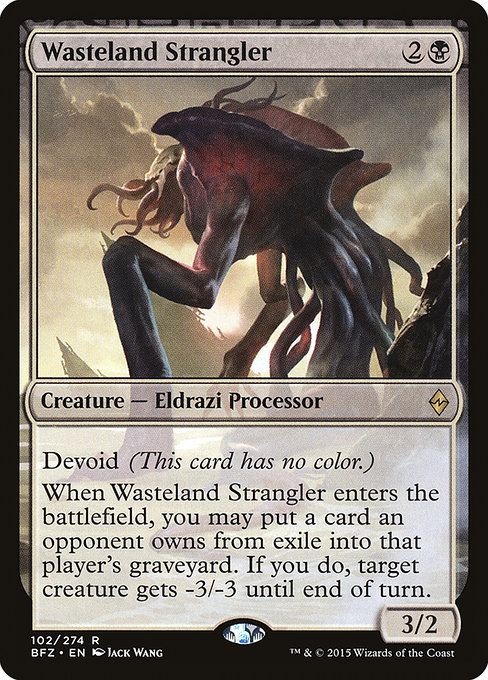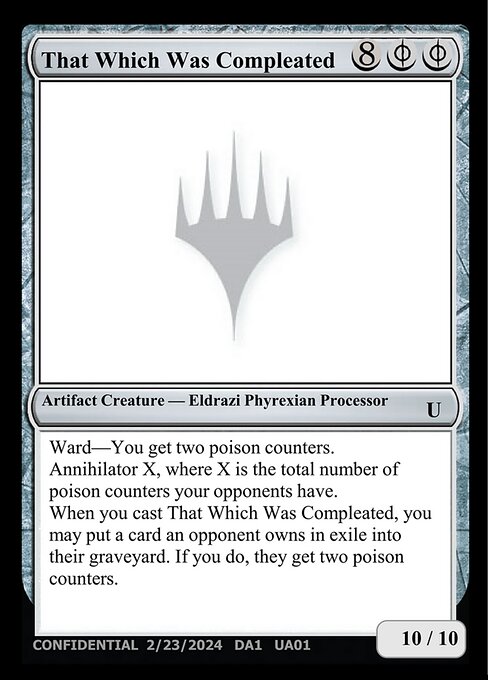
Artifact Creature — Eldrazi Phyrexian Processor {C/P}{C/P}
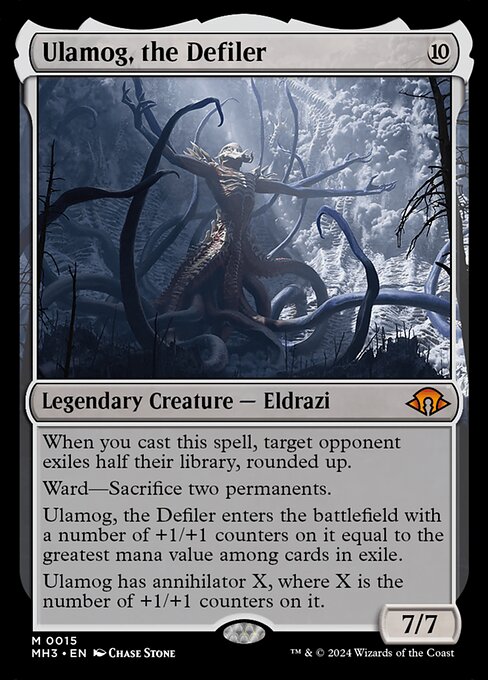
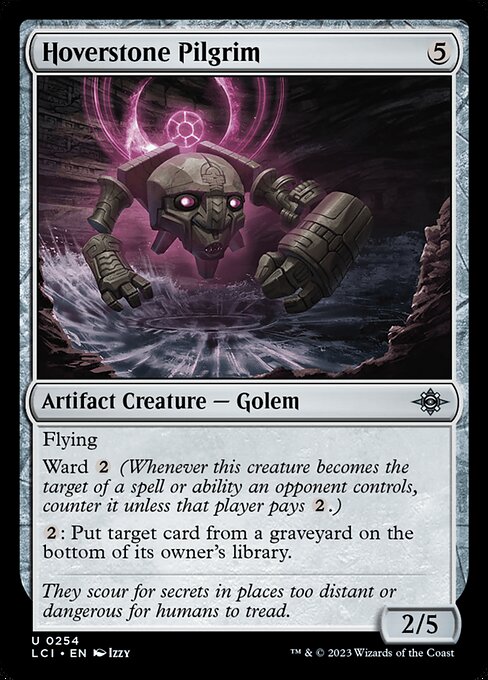
WardWard is a triggered ability. Ward [cost] means “Whenever this permanent becomes the target of a spell or ability an opponent controls, counter that spell or ability unless that player pays [cost].”
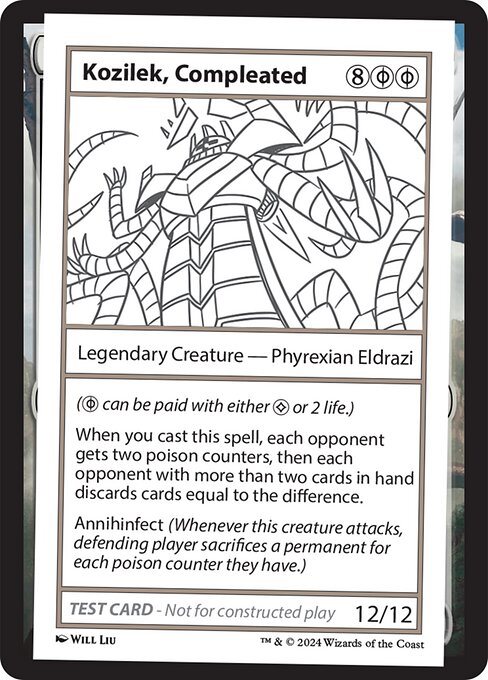
Some ward abilities include an X in their cost and state what X is equal to. This value is determined at the time the ability resolves, not locked in as the ability triggers. (CR 702.21)—You get two poison countersA player with ten or more poison counters loses the game. (CR 704.5c).
AnnihilatorAnnihilator is a triggered ability. “Annihilator N” means “Whenever this creature attacks, defending player sacrifices N permanents.”
If a creature has multiple instances of annihilator, each triggers separately. (CR 702.86) X, where X is the total number of poison countersA player with ten or more poison counters loses the game. (CR 704.5c) your opponents have.
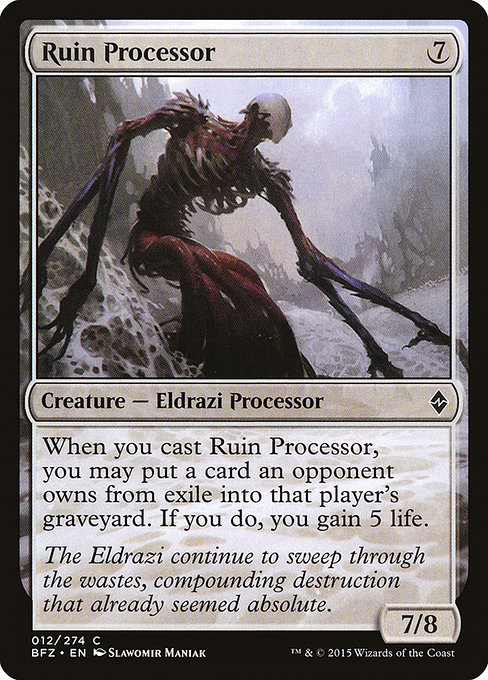
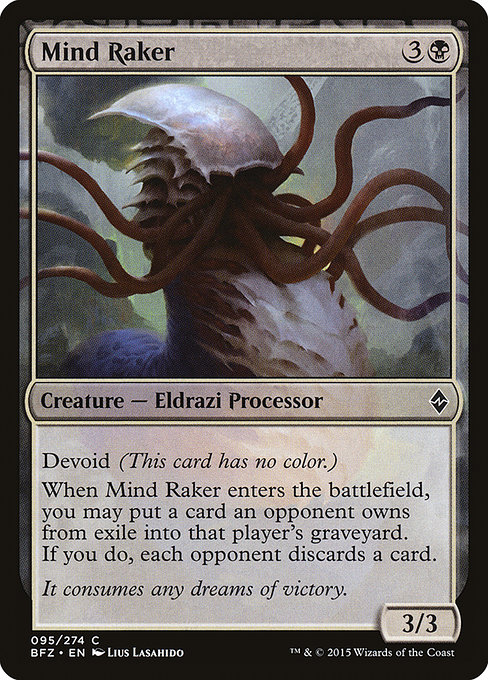
When you castTo cast a spell is to take it from the zone it’s in (usually the hand), put it on the stack, and pay its costs, so that it will eventually resolve and have its effect. A player may cast a spell if they have priority. See rule 601, “Casting Spells.”
To cast a card is to cast it as a spell. (CR 701.5) That Which Was Compleated, you may put a card an opponent owns in exileTo exile an object, move it to the exile zone from wherever it is. See rule 406, “Exile.” (CR 701.13) into their graveyard. If you do, they get two poison countersA player with ten or more poison counters loses the game. (CR 704.5c).
Price unavailable
Commander: Not legalModern: Not legal
Save this card
Log in to save cards to your lists.
Start a deck with this cardTags and classifications
Card attributes are distinct from extracted ability facts and inferred themes. AI themes and predicted tags are suggestions, not rules text.
Ability tags
Mana costs
Creature kinds
Hates tags
Keyword tags
Mana value
Timing tags
Type tags
Predicted tags are currently unavailable.