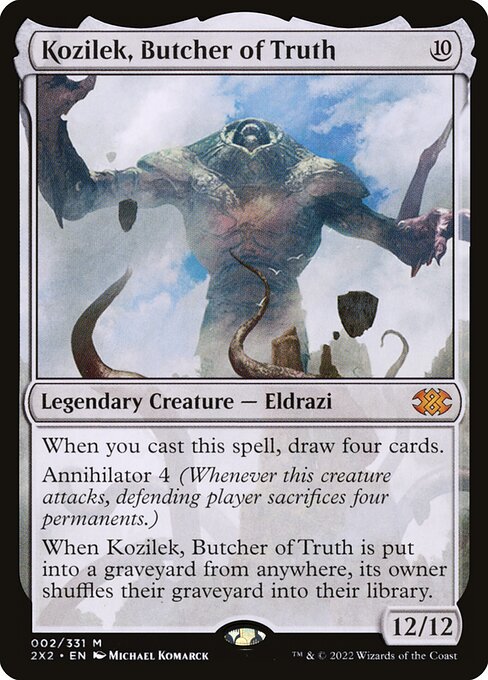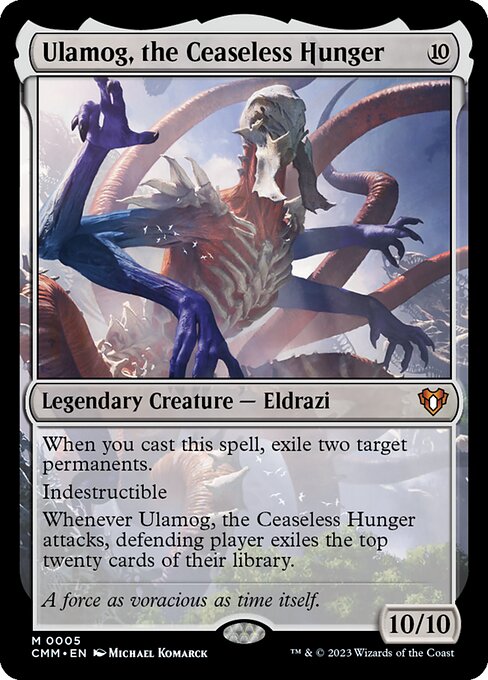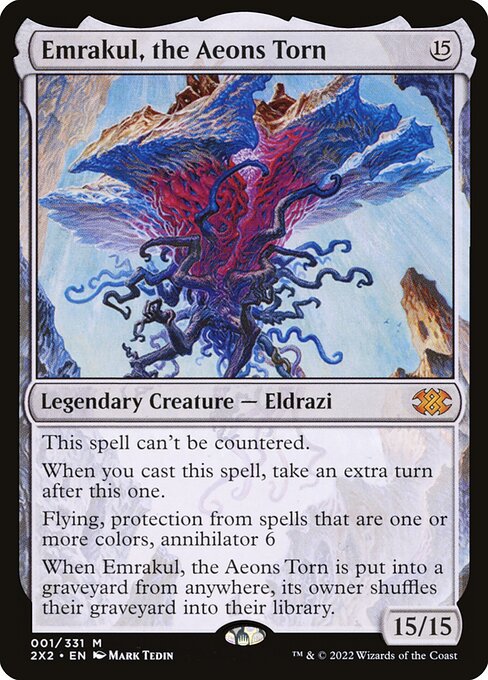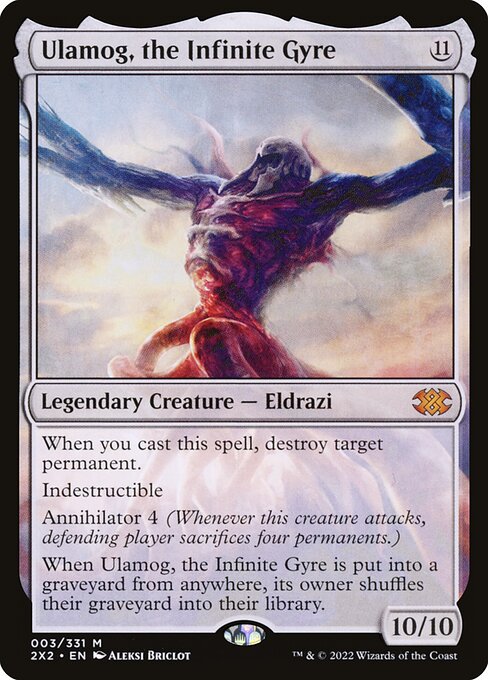
Legendary Creature — Eldrazi
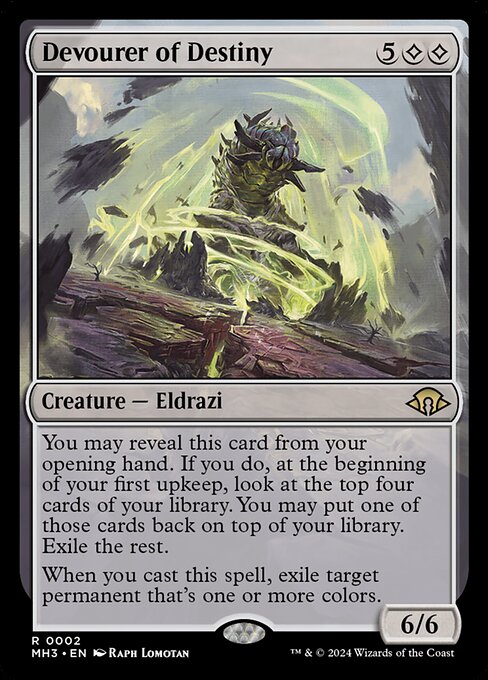
When you castTo cast a spell is to take it from the zone it’s in (usually the hand), put it on the stack, and pay its costs, so that it will eventually resolve and have its effect. A player may cast a spell if they have priority. See rule 601, “Casting Spells.”
To cast a card is to cast it as a spell. (CR 701.5) this spell, destroyThe only ways a permanent can be destroyed are as a result of an effect that uses the word “destroy” or as a result of the state-based actions that check for lethal damage (see rule 704.5g) or damage from a source with deathtouch (see rule 704.5h). If a permanent is put into its owner’s graveyard for any other reason, it hasn’t been “destroyed.”
A regeneration effect replaces a destruction event. See rule 701.19, “Regenerate.” (CR 701.8) target permanent.
IndestructibleIndestructible is a static ability.
A permanent with indestructible can’t be destroyed. Such permanents aren’t destroyed by lethal damage, and they ignore the state-based action that checks for lethal damage (see rule 704.5g).
Multiple instances of indestructible on the same permanent are redundant. (CR 702.12)
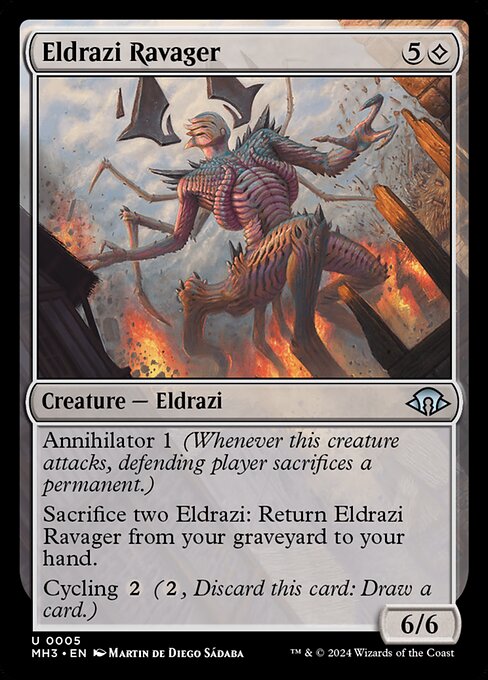
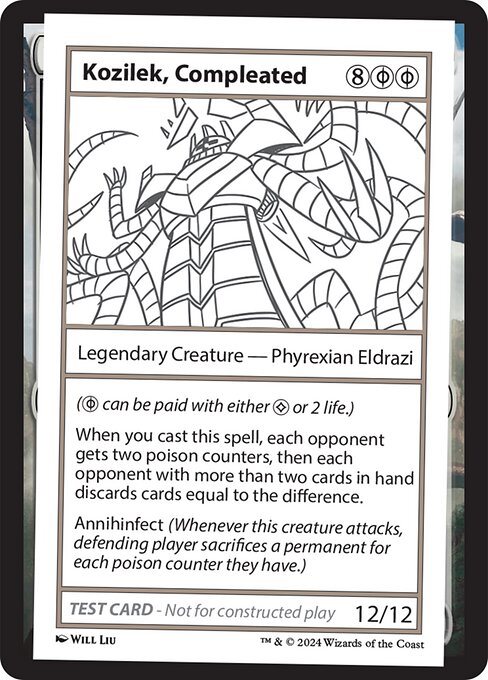
AnnihilatorAnnihilator is a triggered ability. “Annihilator N” means “Whenever this creature attacks, defending player sacrifices N permanents.”
If a creature has multiple instances of annihilator, each triggers separately. (CR 702.86) 4 (Whenever this creature attacks, defending player sacrifices four permanents of their choice.)
When Ulamog is put into a graveyard from anywhere, its owner shuffles their graveyard into their library.
$35.25
Commander: LegalModern: Legal
Save this card
Log in to save cards to your lists.
Start a deck with this cardTags and classifications
Card attributes are distinct from extracted ability facts and inferred themes. AI themes and predicted tags are suggestions, not rules text.
Ability tags
Mana costs
Creature kinds
Keyword tags
Mana value
Theme tags
Timing tags
Type tags
Predicted tags are currently unavailable.