Legendary Creature — Mutant Berserker Hero
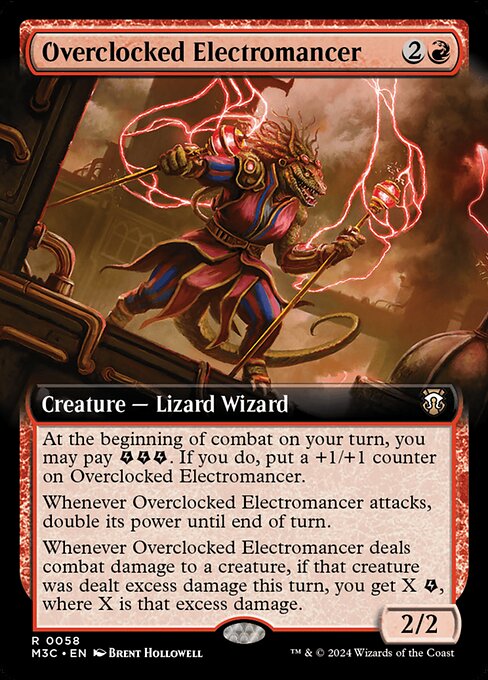
Unrivaled Lethality — DoubleDoubling a creature’s power and/or toughness creates a continuous effect. This effect modifies that creature’s power and/or toughness but doesn’t set those characteristics to a specific value. See rule 613.4c.
To double a creature’s power, that creature gets +X/+0, where X is that creature’s power as the spell or ability that doubles its power resolves. Similarly, an effect that doubles a creature’s toughness gives it +0/+X, where X is that creature’s toughness. Doubling a creature’s power and toughness gives it +X/+Y, where X is its power and Y is its toughness.
If a creature’s power is less than 0 when it’s doubled, doubling that creature’s power instead means that the creature gets -X/-0, where X is the difference between 0 and its power. Similarly, if its toughness is less than 0 when doubled, it gets -0/-X. If one characteristic’s value is negative but the other isn’t when both are doubled, it gets -X/+Y or +X/-Y, as appropriate.
To double a player’s life total, the player gains or loses an amount of life such that their new life total is twice its current value.
To double the number of a kind of counters on a player or permanent, give that player or permanent as many of those counters as that player or permanent already has.
To double the amount of a type of mana in a player’s mana pool, that player adds an amount of mana of that type equal to the amount they already have.
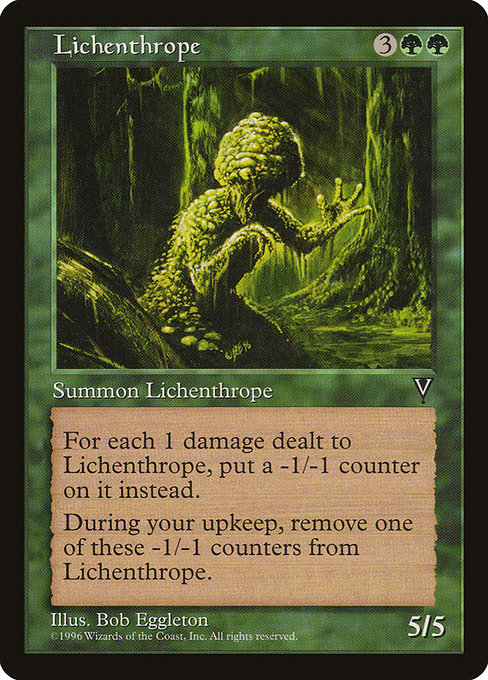
To double an amount of damage a source would deal, that source instead deals twice that much damage. This is a replacement effect. (CR 701.10) all damage Wolverine would deal.
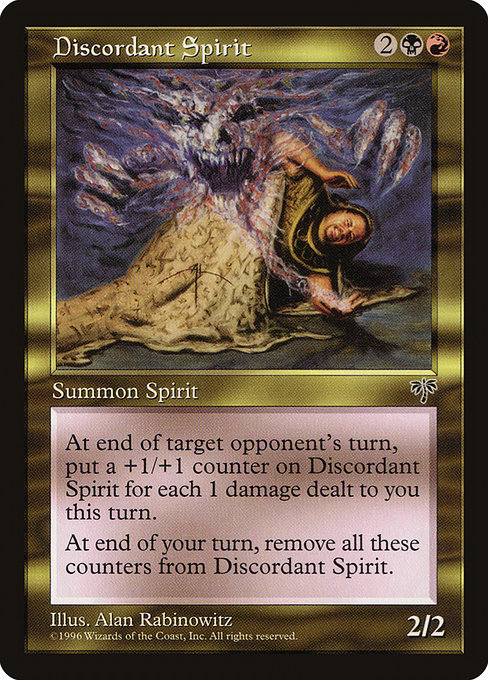
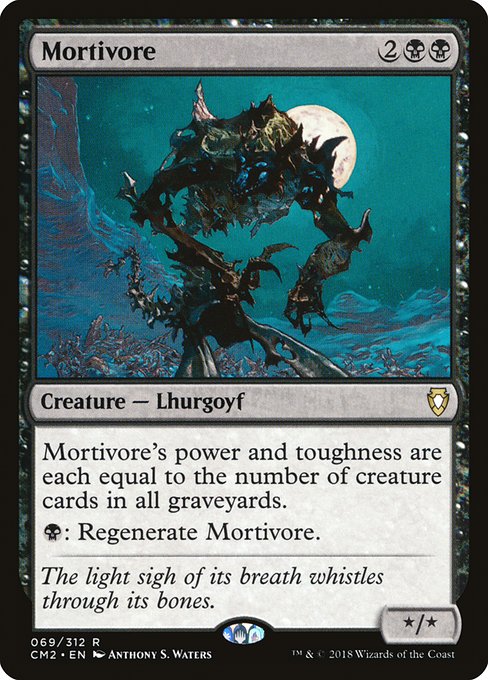
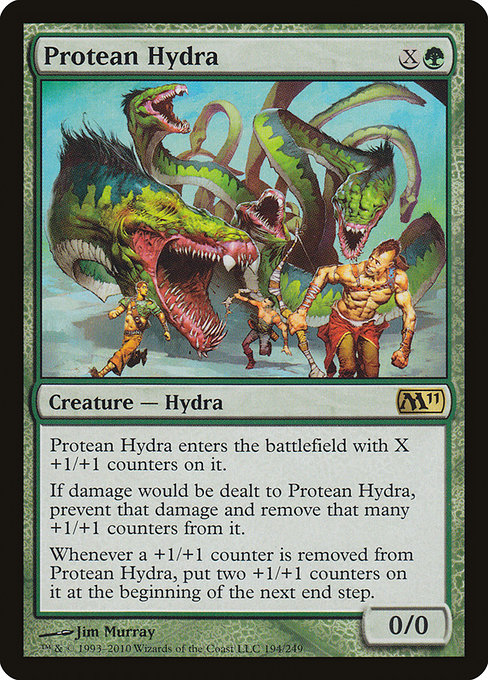
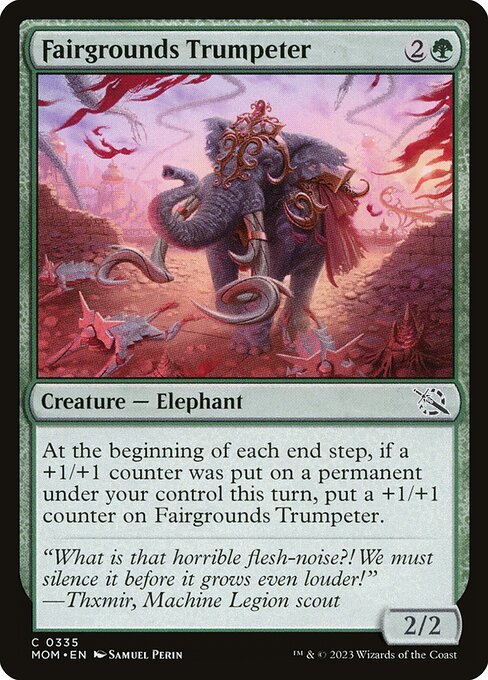
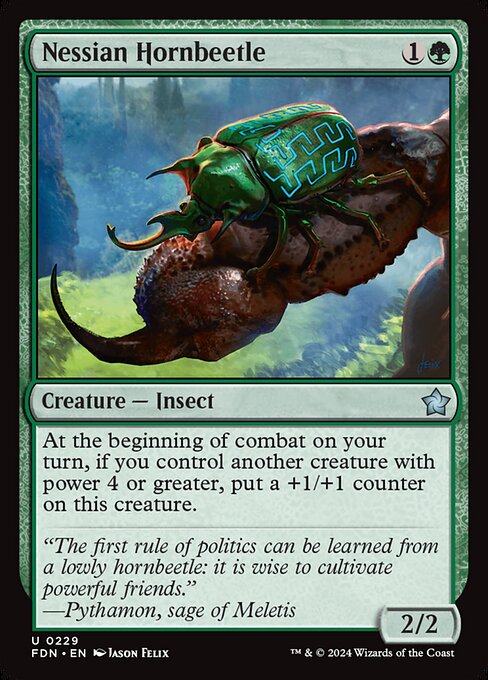
At the beginning of each end step, if Wolverine dealt damage to another creature this turn, put a +1/+1 counterTo counter a spell or ability is to cancel it: remove it from the stack without resolving it. A counter on an object or player is instead a marker that changes characteristics or interacts with rules or abilities; for example, a +1/+1 counter modifies a creature’s power and toughness. (CR 701.6; 122.1) on him.
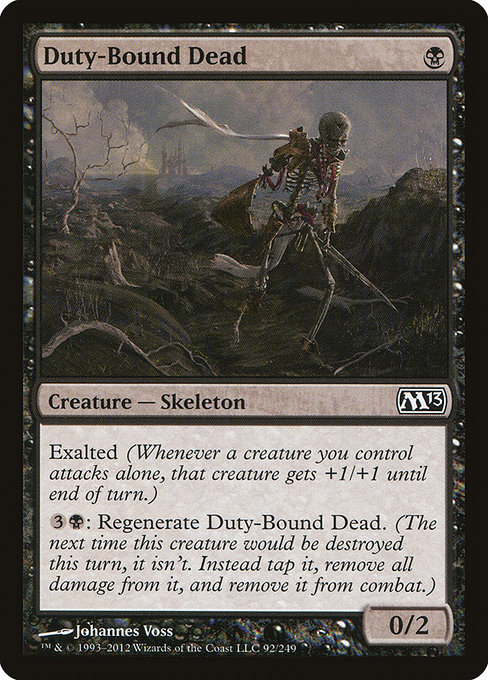
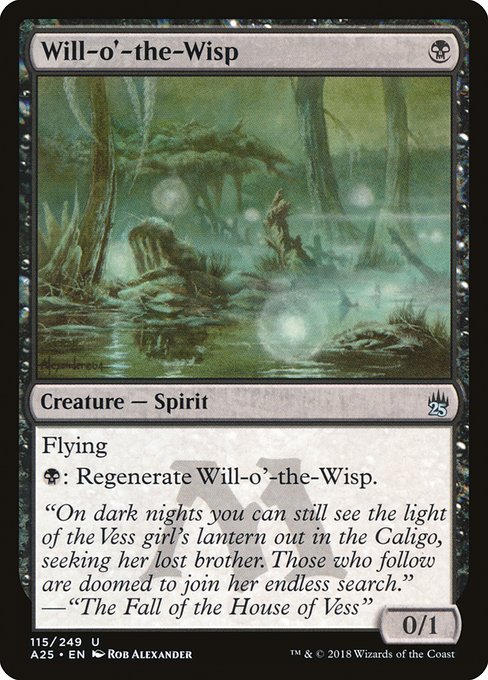
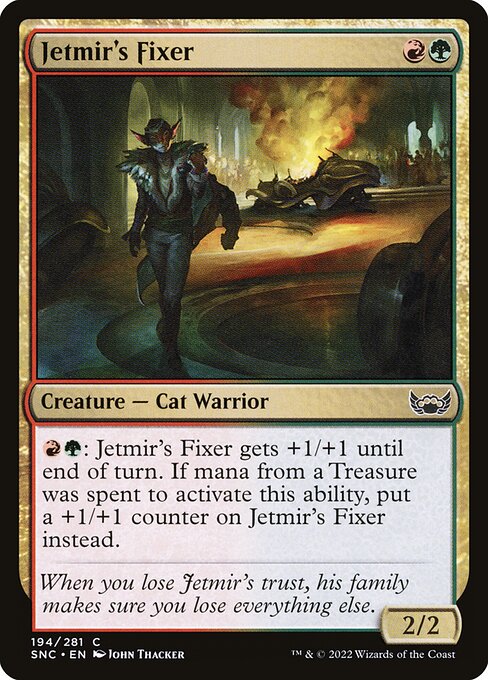
: RegenerateIf the effect of a resolving spell or ability regenerates a permanent, it creates a replacement effect that protects the permanent the next time it would be destroyed this turn. In this case, “Regenerate [permanent]” means “The next time [permanent] would be destroyed this turn, instead remove all damage marked on it and its controller taps it. If it’s an attacking or blocking creature, remove it from combat.”
If the effect of a static ability regenerates a permanent, it replaces destruction with an alternate effect each time that permanent would be destroyed. In this case, “Regenerate [permanent]” means “Instead remove all damage marked on [permanent] and its controller taps it. If it’s an attacking or blocking creature, remove it from combat.”
Neither activating an ability that creates a regeneration shield nor casting a spell that creates a regeneration shield is the same as regenerating a permanent. Effects that say that a permanent can’t be regenerated don’t preclude such abilities from being activated or such spells from being cast; rather, they cause regeneration shields to not be applied. (CR 701.19) Wolverine. (The next time he would be destroyed this turn, instead tapTo tap a permanent, turn it sideways from an upright position. Only untapped permanents can be tapped. (CR 701.26) him, remove him from combat, and healTo heal damage already dealt to a permanent, remove that marked damage from that permanent. If an effect states that damage already dealt to a permanent “is healed,” that permanent’s controller removes all marked damage from that permanent. (CR 701.69) all damage on him.)
$20.55
Commander: LegalModern: Not legal
Save this card
Log in to save cards to your lists.
Start a deck with this cardTags and classifications
Card attributes are distinct from extracted ability facts and inferred themes. AI themes and predicted tags are suggestions, not rules text.
Ability tags
Mana costs
Classes and roles
Creature kinds
Color identity
Keyword tags
Mana value
Theme tags
Timing tags
Type tags
Predicted tags are currently unavailable.